
Why
Although Autistic people are not more likely than non-Autistic people to engage in terrorism-related violence, certain social, cognitive and environmental factors may influence pathways to radicalisation for some individuals. At the same time, characteristics such as strong rule adherence and logical reasoning can act as protective factors, highlighting the need for nuanced, strengths-based approaches in countering violent extremism (CVE) settings.
This project, funded by the Department of Home Affairs, established and evaluated a national virtual community of practice (CoP) guided by the research question:
What is the impact of a virtual CoP on knowledge, confidence and capability of CVE practitioners working with Autistic people?
The research
About the CoP intervention
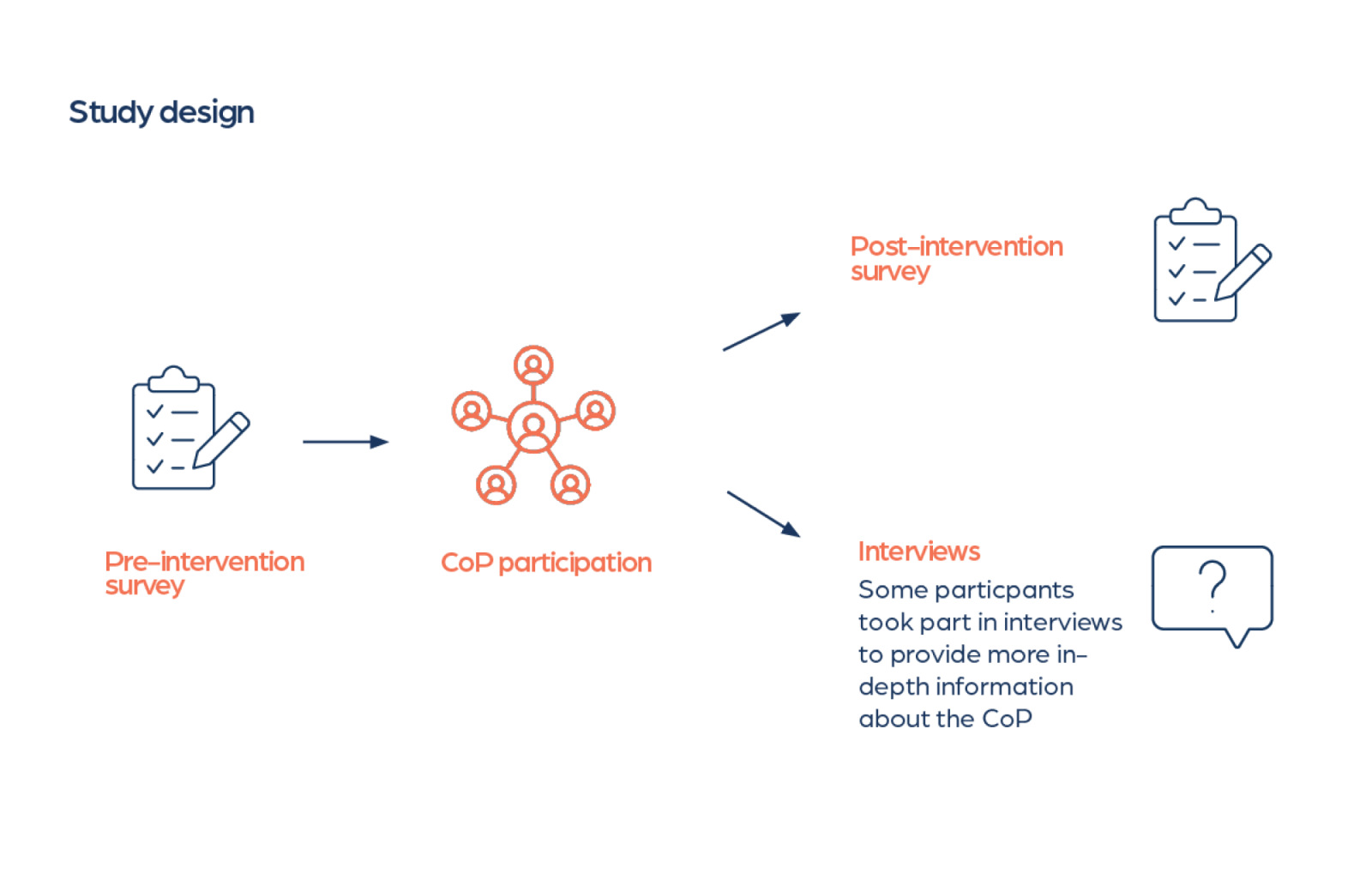
The co-designed CoP was delivered online to participants across Australia. A total of five CoP sessions were conducted. Each 90-minute session included:
-
a brief presentation on autism and considerations relevant to CVE practice
- case-based discussions and participant-led problem solving
- opportunities for peer learning and reflective practice.
What we learnt
Motivation for participation
The most common reasons for participation:
- Accessing practical tools and resources
- Increasing confidence when working with Autistic people
- Building knowledge about autism
- Wanting to improve their overall practice when supporting neurodivergent people.
Learning needs
Participants valued:
- Learning through connection and shared experience
- Learning about the intersection between autism and violent extremism.
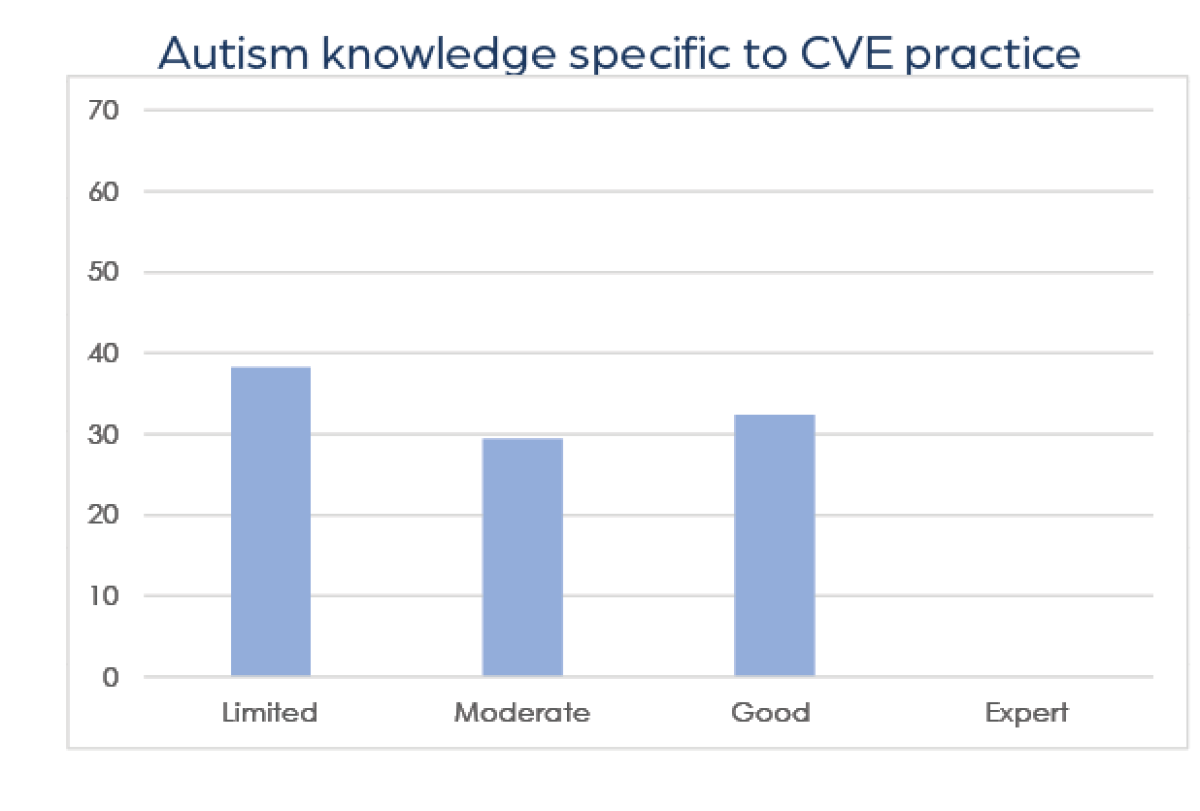
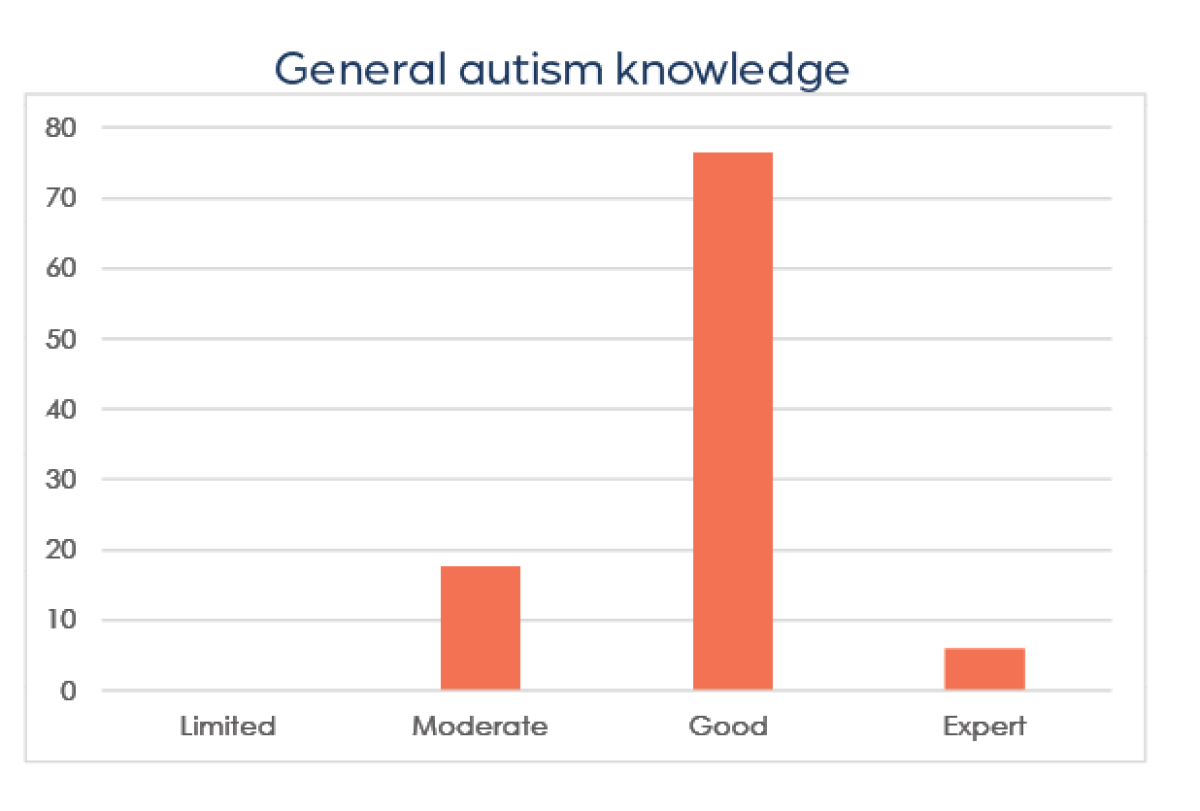
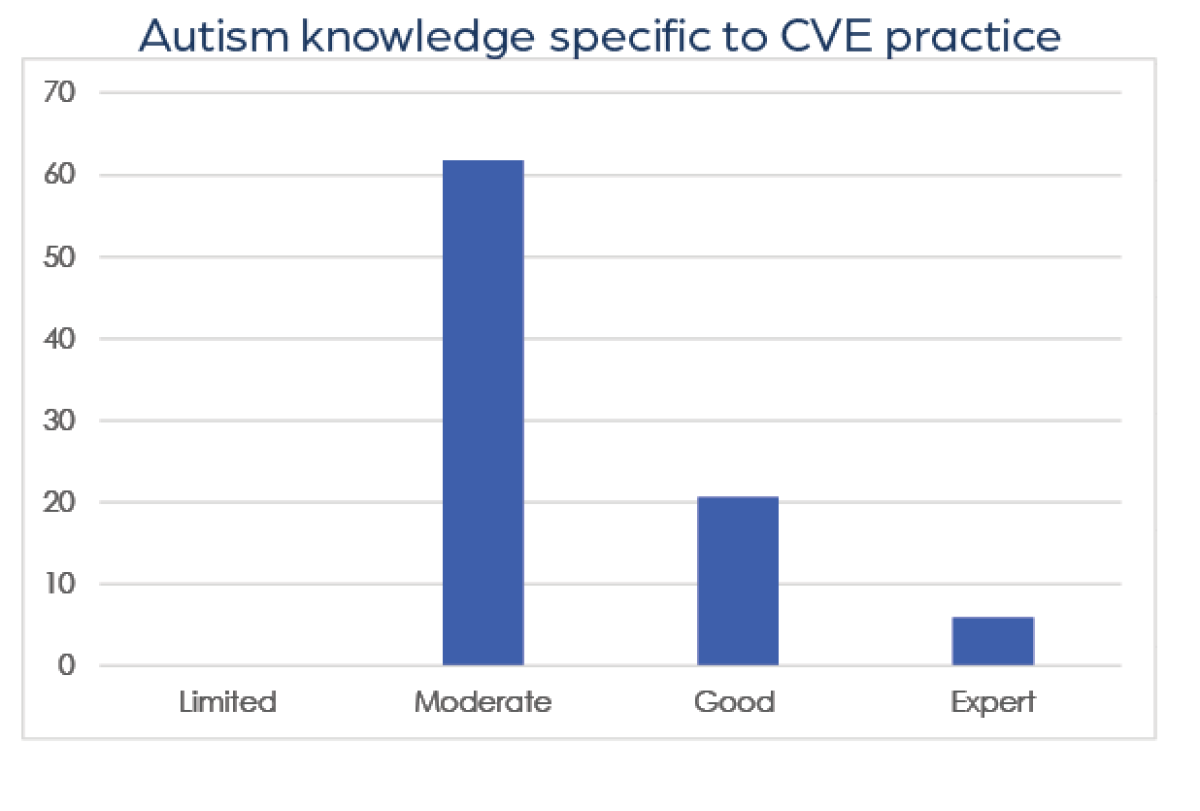
Perceived knowledge
Pre-intervention
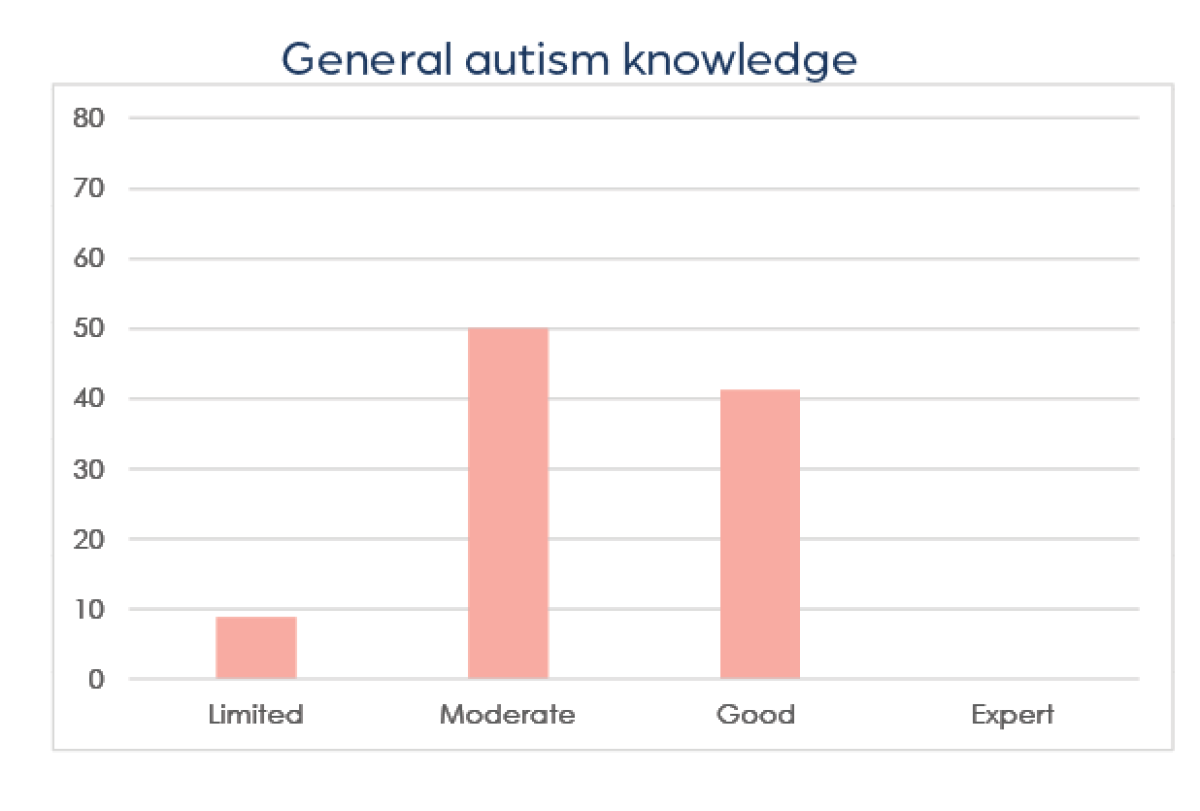
Post-intervention
Feedback on CoP


Most useful aspects of the training
- Practical application and real-world relevance
- Distinguishing autism from risk
- Lived experience and expert perspectives
- Neuro-affirming and strengths-based approaches
Challenges and gaps
- Low participant engagement in breakout groups
- Time constraints
Publication
Gibbs, V., Love, A.M.A., Edwards, C., Smith, D., Pyszora, N., & Wheatfill, L. (2026). Evaluating a national Community of Practice for supporting Autistic individuals in countering violent extremism programs. Journal of Policing, Intelligence and Counter Terrorism.
Making a difference
Based on the findings of this evaluation, a number of recommendations were proposed for future CoPs.
Research team
- Dr Vicki Gibbs, ARCAP
- Dr Abigail Love, ARCAP
- Professor Debra Smith, Victoria University
- Professor Natalie Pyszora, WA Health
- Lana Wheatfill, Victoria University
Started
2026
Ends
2026
Funding
Department of Home Affairs and Aspect (Autism Spectrum Australia)