
Autism Friendly and the Hidden Disabilities Sunflower
Aspect’s Autism Friendly Team works with organisations throughout Australia to help develop autism-friendly spaces and events. We are committed to inclusion and work in partnership with communities, and our work is informed by Autistic and non-Autistic consultants at every stage, embodying the concept of ‘nothing about us, without us’.
Bayley House is the sole authorised Australian representative of the Hidden Disabilities Sunflower program. Aspect’s Autism Friendly Team supports awareness of the Sunflower program through separate, locally delivered initiatives.
What is the Hidden Disabilities Sunflower?
Living with a hidden disability, including autism, can make accessing community spaces and services more challenging. Hidden disabilities can be difficult for others to recognise, which is often the biggest barrier for people accessing additional support and understanding.
Autism is experienced differently by different people and may be visible, non-visible, or situational depending on the individual and context.
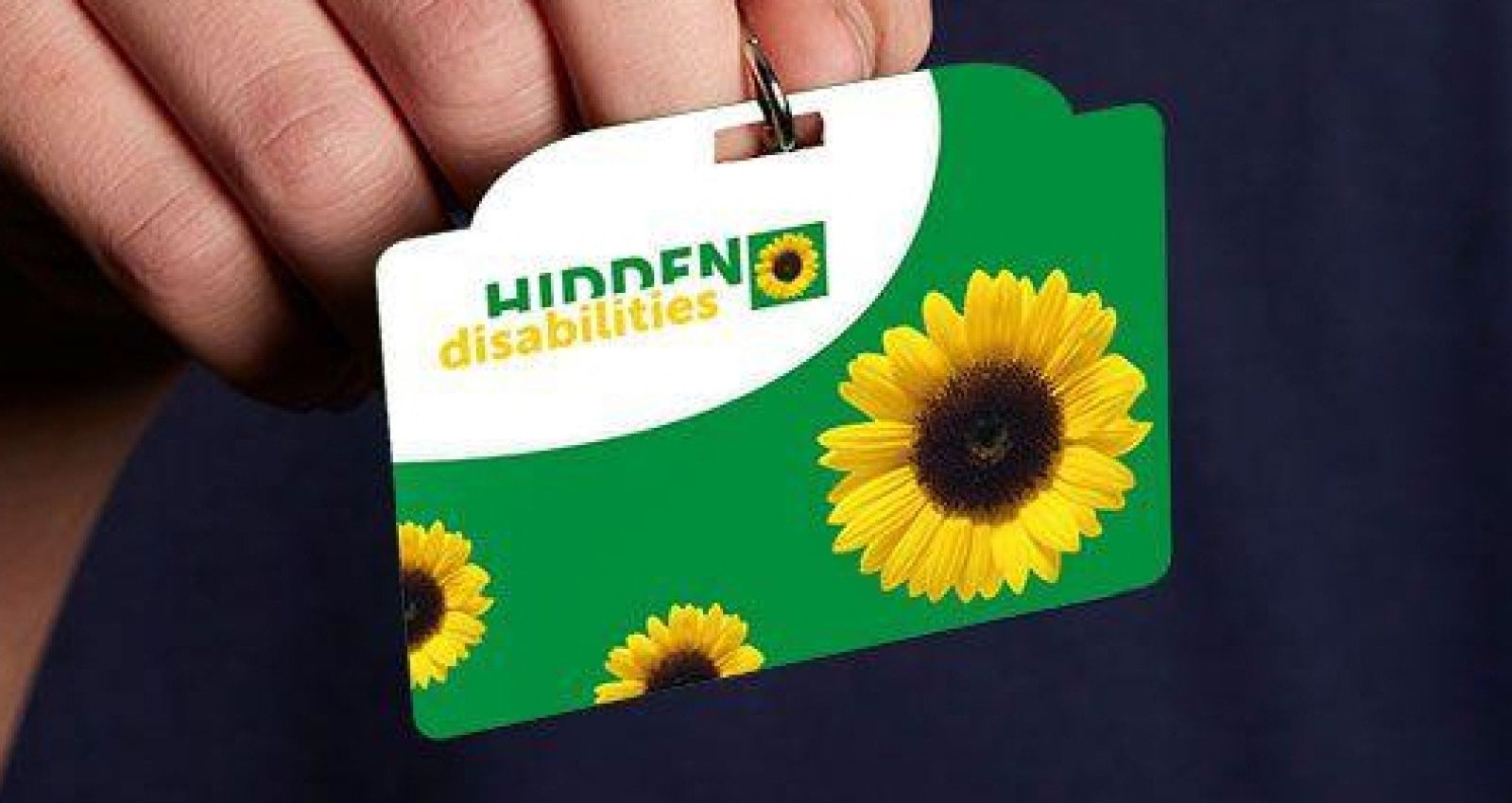
People with a hidden disability can choose to wear a Sunflower lanyard, which discreetly indicates that they may need additional time, support or understanding.
Wearing the Sunflower does not mean a person must accept help, engage with staff, or explain their disability.
This provides a consistent icon that is recognisable between locations, including travelling through the airport, on public transport, attending sport, or going to the museum.
The Hidden Disabilities Sunflower is used in over 90 countries around the world. To find out more about the official Hidden Disabilities Sunflower program, including organisational participation, recognition, training, or ordering Sunflower products, visit Bayley House::
Bayley House Hidden Disabilities Sunflower
OR
For Organisations
How can the Sunflower assist my organisation?
The Hidden Disabilities Sunflower program can help organisations create more inclusive and accessible environments for people with non-visible disabilities.
- Support inclusion and accessibility by encouraging environments where flexibility and understanding are normalised
- Improve customer and visitor experience by helping staff recognise when extra time or support may be helpful
- Support employee wellbeing without requiring people to disclose personal information
- Demonstrate social responsibility and a visible commitment to inclusion
- Encourage respectful staff behaviours, including asking if help is needed, listening, and showing respect
- Create welcoming spaces using Sunflower signage and cues that help people identify where support may be available
The Sunflower is internationally recognised and can serve as a practical starting point for Disability, Diversity, and Inclusion conversations.
Where does Aspect’s Autism Friendly team fit in?
While the Sunflower brings necessary awareness, there is more that organisations can do to reduce and remove barriers to access for people with hidden disabilities.
In addition to supporting awareness of the Sunflower symbol through separate initiatives, we support our partners by:
- Using an evidence-based Autism Friendly Framework
- Conducting walkthrough assessments of sites and services
- Providing comprehensive recommendations (including sensory, communication supports and environmental modifications)
- Developing helpful resources such as sensory maps and visual stories
- Co-delivering staff training with autistic people
- Supporting promotion & communication about the program
Help create an autism-friendly Australia
Contact our Autism Friendly Team to learn more about how we can help make your business or event more autism-friendly.
References to the Sunflower symbol in this document do not imply official Hidden Disabilities Sunflower program participation unless explicitly stated.