


Aspect Autism Friendly Accreditation helps:
- Organisations to create best-practice quiet spaces for Autistic people and people with Hidden Disabilities.
- Autistic people identify and trust that a quiet space meets best-practice guidelines, that staff are trained, and that quality is maintained over time.
Why accreditation matters
Australian businesses, stadiums and venues are increasingly looking to provide quiet rooms, quiet spaces and quiet times to better support customers with Hidden Disabilities.
-
1 in 5 Australians have a disability.
-
Around 80–90% of disabilities are hidden (non-visible).

Autistic sensory needs and the built environment
Autistic people experience the sensory world differently. Whilst this can bring great joy, it can also lead to sensory stress and overwhelm.
Aspect Autism Friendly supports organisations to reduce overwhelm by:
-
Developing more sensory-considerate environments
-
Communicating potential sensory stressors beforehand (e.g., visual stories and sensory maps)
-
Supporting coping strategies (e.g., noise-cancelling headphones)
-
Providing Quiet Spaces or similar spaces (including Sensory Rooms)
Essential information
What is a quiet room?
A Quiet Room is a purpose-designed room or area set aside for people who feel overwhelmed, anxious or distressed.
It is a private, low-sensory place where people can go to settle themselves for as long as needed to return to their event or environment. It is not a space for playing or socialising.
These rooms are different to Sensory Rooms and typically feature dim indirect lighting, blinds or curtains, minimal noise, comfortable seating and cushions, air conditioning, privacy, and coping tools such as noise-cancelling headphones or stim items.
A Quiet Space can be permanent or temporary. Temporary spaces are often used for single events (such as a festival) or in buildings with many uses.
What does accreditation mean?
It doesn’t mean perfection. Finding space can be difficult and we understand that setting up and running a quiet room can be complex and imperfect but that Autistic people appreciate the intention and effort.
It means that organisations are committed to adapting environments to support Autistic people and others with a Hidden Disability.
It means that
1. The space has been assessed by an Aspect Autism Friendly expert and meets our autism friendly criteria. A room should:
- Be not too bright and not too dark, with reduced glare and reflection from lights
- Be Quiet and calm
- Be A comfortable temperature
- Have a range of sitting options
- Offer a way to charge devices
- Be reasonably convenient with access to water and toilets
- Have clear visible expectations about room use
- Visited by staff occasionally
- Positioned as conveniently as possible
- Be clearly for helping people to calm when overwhelmed (i.e. not a ‘sensory room’)
2. The organisation commits to training as many staff as possible on the purpose and use of the room.
3. The organisation commits to collecting, acting on and sharing feedback if something can be improved
4. The room is audited twice a year by Aspect Autism Friendly staff
What accreditation includes
Accreditation allows organisations with accredited physical spaces (including Quiet Rooms) and/or quiet times to use Aspect’s accreditation icon for 12 months, and includes:
- Listing on Aspect Autism Friendly channels (e.g., directory / events listings)
- Promotion opportunities (as appropriate) to Aspect’s community and via media collaboration
- A quality audit by trained staff to ensure standards are maintained
- Support for continuous improvement based on customer feedback and emerging research
About Aspect Autism Friendly
Aspect Autism Friendly works with partners across Australia in areas such as transport, shops and shopping centres, cultural institutions and sporting organisations. We also partner with the Hidden Disability Sunflower initiative delivered by Bayley House. All our work is co-designed and co-delivered with Autistic people and follows a comprehensive framework for designing autism-friendly environments.
Research and Resources
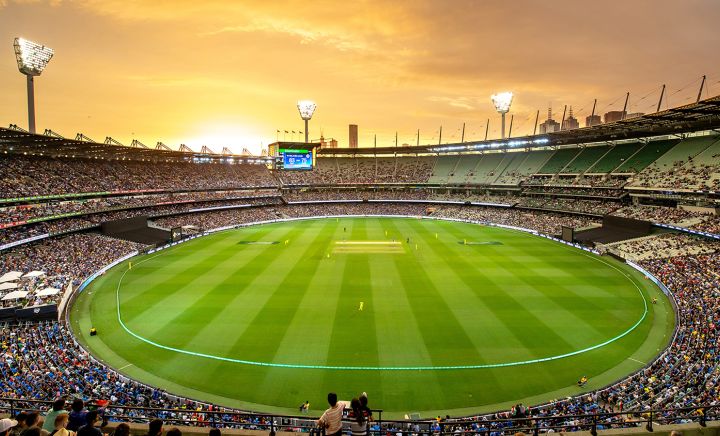
Melbourne Cricket Ground