

Autistic people may interact with the criminal justice system in a variety of situations – as victims, witnesses, suspects, or members of the community seeking assistance. Our research is focused on making improvements to the criminal justice system to ensure Autistic people are treated fairly and respectfully.
The Aspect Research Centre for Autism Practice (ARCAP) conducts research and translation activities focused on improving experiences and outcomes for Autistic people across criminal justice, policing and community safety settings.
Our work spans policing, courts, corrections, victimisation, interviewing and communication practices, countering violent extremism (CVE), and workforce capability development. We work collaboratively with Autistic people, researchers, practitioners, and government partners to develop practical, evidence-informed approaches that improve accessibility, inclusion, and outcomes across justice systems.
Discover our research
Evaluation of an autism and countering violent extremism community of practice
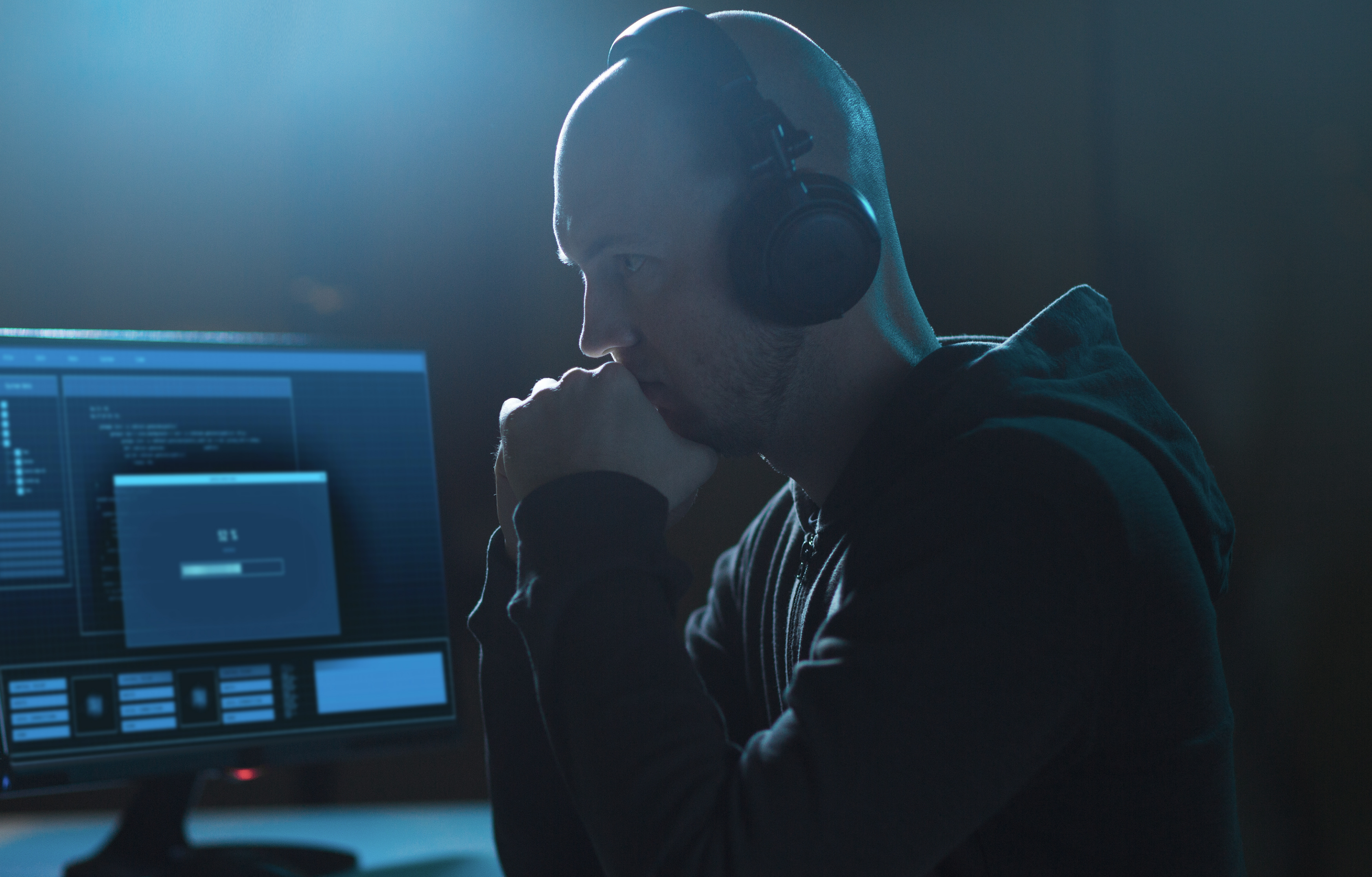
Countering violent extremism programs aim to prevent, rehabilitate, and reintegrate individuals vulnerable to extremist ideologies or behaviours. Although Autistic people are not more likely than non-Autistic people to engage in terrorism-related violence, certain social, cognitive and environmental factors may influence pathways to radicalisation for some individuals. Research and practitioner feedback identify significant gaps in autism knowledge and practical capability across CVE and criminal justice settings. In response, this project established and evaluated a national virtual Community of Practice (CoP). Read more
Improving interactions with criminal justice professionals
Little is known about Autistic people’s interactions with criminal justice professionals on a global scale. The Global Autism and Criminal Justice Consortium, conducted the largest research study to explore Autistic people’s perceptions of their interactions with the criminal justice system. A policy brief was devised to guide criminal justice agencies worldwide in making adaptations for Autistic people. Analysis of the research data will inform policy, strategies and future research directions. Read more
Improving interactions with police
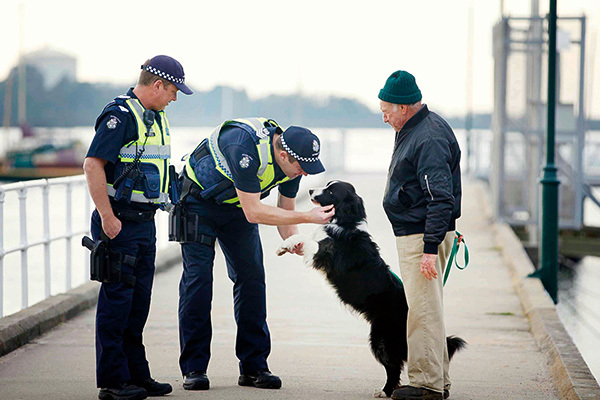
Autistic people are more likely to interact with police than non-Autistic people. We asked Autistic adults and parents of Autistic children to share their lived experiences so we could learn more about when, why and how interactions with police occur. ARCAP’s research led to the development of an autism training module that is being used by a number of police forces across Australia. Read more
Free download: "Interactions with Autistic people: A guide for Australian police"
Training and workforce development
ARCAP translates research evidence into practical training and workforce development initiatives for professionals working across policing, justice, corrections, and community safety settings.
Our training and capability-building activities include:
- autism-informed police and justice training
- online learning modules and webinars
- communities of practice using an ECHO-style model
- training on communication, interviewing, engagement and managing distress in justice settings
- practical strategies for improving accessibility and inclusion in justice settings.
All training and translation activities are informed by research evidence, lived experience perspectives, and collaboration with sector partners.
Key collaborations
ARCAP has worked collaboratively with a range of government, academic, and community partners across criminal justice and community safety initiatives, including policing, courts, corrections, and countering violent extremism sectors.
Our team
This work is led by researchers within ARCAP, including Dr Vicki Gibbs and Dr Abigail Love, alongside collaborators with expertise in autism research, justice practice, lived experience, and workforce development.
Our publications
Cooper, D., Frisbie, S., Wang, S., Ventimiglia, J., Gibbs, V., Love, A. M., Mogavero, M., Benevides, T.W., Hyatt, J.M., Hooven, K., Basketbill, I. & Shea, L. (2024). What do we know about autism and policing globally? Preliminary findings from an international effort to examine autism and the criminal justice system. Autism Research.
Gibbs, V., Gallagher, E., Hudson, J., & Pellicano, E. (2026). Prevalence and risk factors associated with interpersonal violence reported by autistic adults: A systematic review. Review Journal of Autism and Developmental Disorders.
Gibbs, V., & Haas, K. (2020). Interactions Between the Police and the Autistic Community in Australia: Experiences and Perspectives of Autistic Adults and Parents/Carers. Journal of Autism and Developmental Disorders.
Gibbs, V., Hudson, J., Hwang, Y. I. J., Arnold, S., Trollor, J., & Pellicano, E. (2021). Experiences of physical and sexual violence as reported by autistic adults without intellectual disability: Rate, gender patterns and clinical correlates. Research in Autism Spectrum Disorders.
Gibbs, V., Hudson, J. L., & Pellicano, E. (2023). Poly‐victimization of autistic adults: An investigation of individual‐level correlates. Autism Research.
Gibbs, V., Hudson, J., & Pellicano, E. (2023). The extent and nature of autistic people’s violence experiences during adulthood: A cross-sectional study of victimisation. Journal of Autism and Developmental Disorders.
Gibbs, V., Love, A.M.A., Cai R.Y., & Haas, K. (2021). Police interactions and the autistic community: perceptions of procedural justice, Disability & Society.
Gibbs, V., & Pellicano, E. (2023). ‘Maybe we just seem like easy targets’: A qualitative analysis of autistic adults’ experiences of interpersonal violence. Autism.
Haas, K., & Gibbs, V. (2020). Does a Person’s Autism Play a Role in Their Interactions with Police: The Perceptions of Autistic Adults and Parent/Carers. Journal of Autism and Developmental Disorders.
Love, A.M.A., Gibbs, V., Cooper, D., Benevides, T.W., Mogavero, M.C., Basketbill, I.L., & Shea, L.L. (2022). Creating the Global Criminal Justice Survey: A questionnaire designed to gather perspectives from autistic people and criminal justice professionals. Journal of Autism and Developmental Disorders.
Love, A.M.A., Gibbs, V., Hwang, Y.I., & Gallagher, E. (2022). Autism training for Australian police: A pilot study of the effectiveness of an online module to improve police officer autism awareness. ANZEBP Police Science Journal.
Love, A. M., Railey, K. S., Phelps, M., Campbell, J. M., Cooley-Cook, H. A., & Taylor, R. L. (2020). Preliminary evidence for a training improving first responder knowledge and confidence to work with individuals with Autism. Journal of Intellectual Disabilities and Offending Behaviour.
Love, A. M., Railey, K. S., & Jones, C. P. (2022). Examining the sources of police confidence when working with autistic individuals. Policing: An International Journal.
Railey, K. S., Bowers-Campbell, J., Love, A. M., & Campbell, J. M. (2020). An exploration of law enforcement officers’ training needs and interactions with individuals with autism spectrum disorder. Journal of Autism and Developmental Disorders.
Railey, K. S., Love, A. M., & Campbell, J. M. (2020). A systematic review of law enforcement training related to autism spectrum disorder. Focus on Autism and Other Developmental Disabilities.
Shea, L.L., Cooper, D., & Wilson, A.B. (2021). Preventing and improving interactions between autistic individuals and the criminal justice system: A roadmap for research. Autism Research.
Media
The Guardian: Australian children are being arrested under laws to ‘disrupt’ extremism: ‘On balance this is a bad law’ (2026)
News.com.au: Why 90 per cent of autistic women experience sexual violence (2025)
National news syndication: Online extremists targeting teens with autism, mental health issues (2024)
ABC News (national syndication): SAPOL mandatory police training, developed in partnership with ARCAP (2022)
The Weekly Times: Safety human rights violated – Mum tells why autistic people need understanding and how it can be done (2022)
SBS News: Australian police are being trained to improve interactions with people with autism (2019)
Stay in touch
Complete the form below to receive the latest autism practice research news: new studies, research updates, events and more.