

To some people, toys are just playthings from the days of childhood, nostalgic memories or things that are forgotten as they grow up. For Autistic people, including Michael himself, toys can be much more than that. They can be a source of comfort, a much-loved hobby and special, passionate interest for many.
Toys and Special Interests
For some Autistic people, toys are more than just cute or playful objects. They can become a part of a special interest, providing opportunities to learn, organise, categorise and connect with a topic in depth. A collection may represent years of knowledge building, memories and even personal achievement. To me, a special interest is something that I have an intense and deep love of whether it’s animals, acting, toys, railways, films and television shows.
Special interests are important for Autistic people as they act as reliable regulators for the nervous system, provide stability, boost confidence through mastery, and could even unlock pathways to fulfilling careers.
Special interests help Autistic people in many ways. When they are integrated into education, these special interests cause a significant boost in focus, learning retention and expressive communication. In terms of regulation, special interests provide a calming or grounding effect. Overall, having special interests has positive outcomes which are very important for mental health and self-esteem.
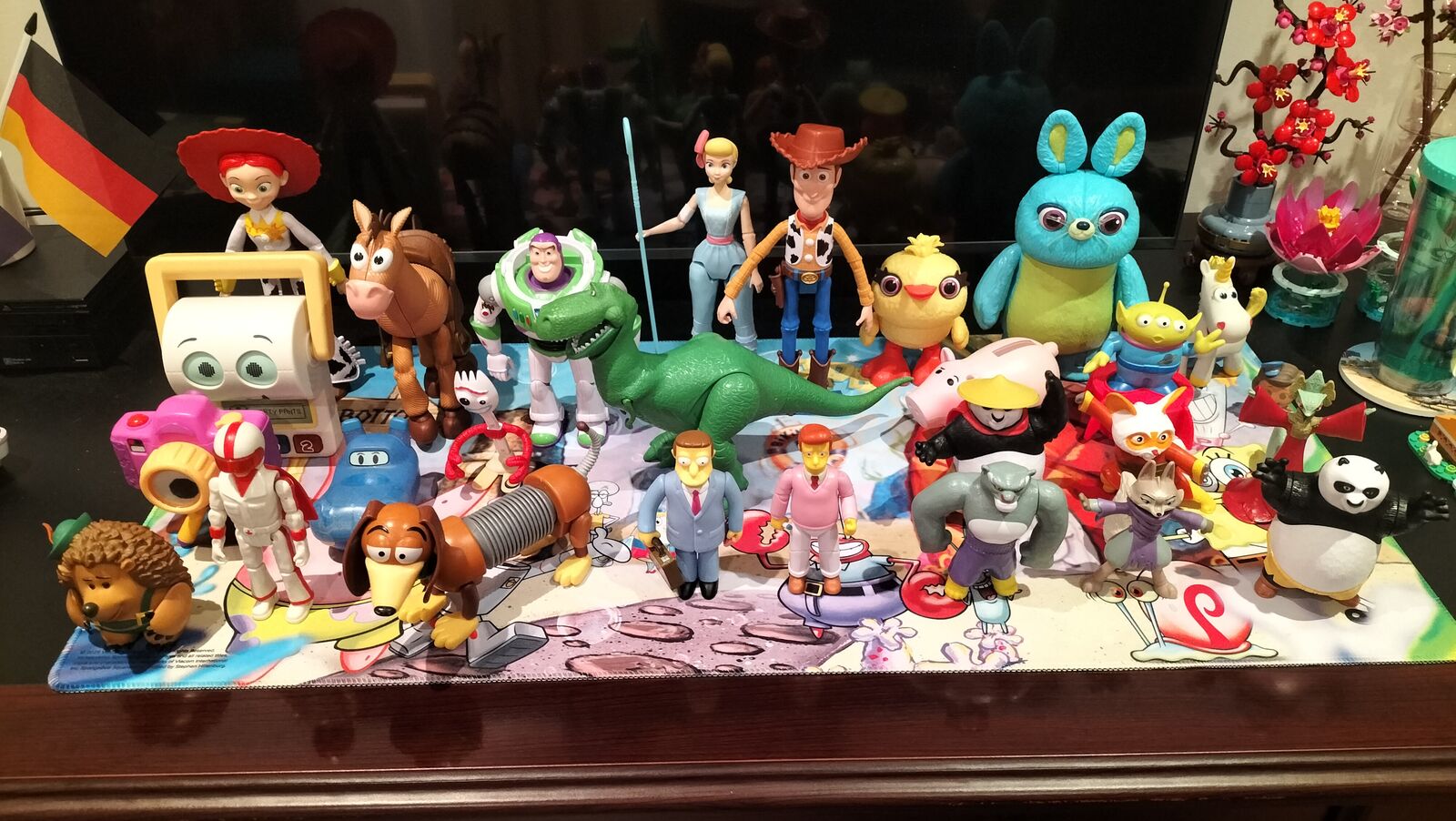
For me, my own special interests include LEGO minifigures, Thomas Wooden Railway, Squishmallows, Yowies and character-based toys from favourite films and television shows. Collecting these items has allowed me to build knowledge, preserve memories and celebrate the characters and stories I love.
Sensory Regulation
Toys can provide a sense of comfort, joy and nostalgia. They can also be used as a security blanket for some. Many Autistic people use toys for emotional and sensory regulation. The texture of a soft toy, the weight of a plush companion, can help create a sense of calm in stressful situations.
Many toys are designed to assist in developing children’s sensory skills, which may explain why they continue to appeal to Autistic people. I can see the appeal too. Toys can also be used in an unfamiliar environment to provide a comforting distraction for when Autistic individuals are overwhelmed.
For me, toys are not only collectibles but also companions that provide comfort and stability when life feels overwhelming.
Finding Connection Through Collection
In my usually unstated opinion, some things in life are very difficult to grow out of and if two people happen to own the same toy, that common ground could lead to a conversation between the two owners and possibly form a connection. Personally, a few friendships in my life began because some have collections themselves. Not exactly the same as me because everyone’s collections are different from mine. I tend to have very niche interests. But a common understanding and passion for collecting has helped me find connection with people.
Individuals in the autism community often struggle with loneliness. Emerging research shows that Autistic people experience more intense and frequent loneliness in comparison to neurotypical people. Friendship, Loneliness and Belonging in Autistic People - Reframing Autism. Collecting toys can help them feel like they are part of a community. Shared interests can create opportunities for meaningful conversations and relationships.
The first toy collection I had since childhood that became a special interest was Thomas Wooden Railway as I love timber products and it is a brand of Thomas & Friends merchandise.
The Joy of Toy Collecting
Toy collecting is also quite a popular hobby for many. To others it may seem silly or childish, but I see it differently. There are many different angles to look at it. You can look at it as childish, or you can look at it as something that brings joy and provides comfort or security for Autistic people. Being a person on the spectrum, I have an extensive collection of toys myself. I have a collection of LEGO minifigures, soft toys, Thomas Wooden Railway, Yowies, action figures from Sonic the Hedgehog, Super Mario, Kung Fu Panda, Toy Story and Funko sodas of Hanna Barbera characters as stated previously.
Many people love collecting toys based on characters from their favorite films or shows as they are used as a marketing tool to promote said mediums. For example, Toy Story is an animated film franchise centered on toys and that may influence or strengthen love of toys for some (me included). Toys come in many forms, types and are made in different materials. Plastic dolls, action figures, die-cast models, wooden toys to name a few.
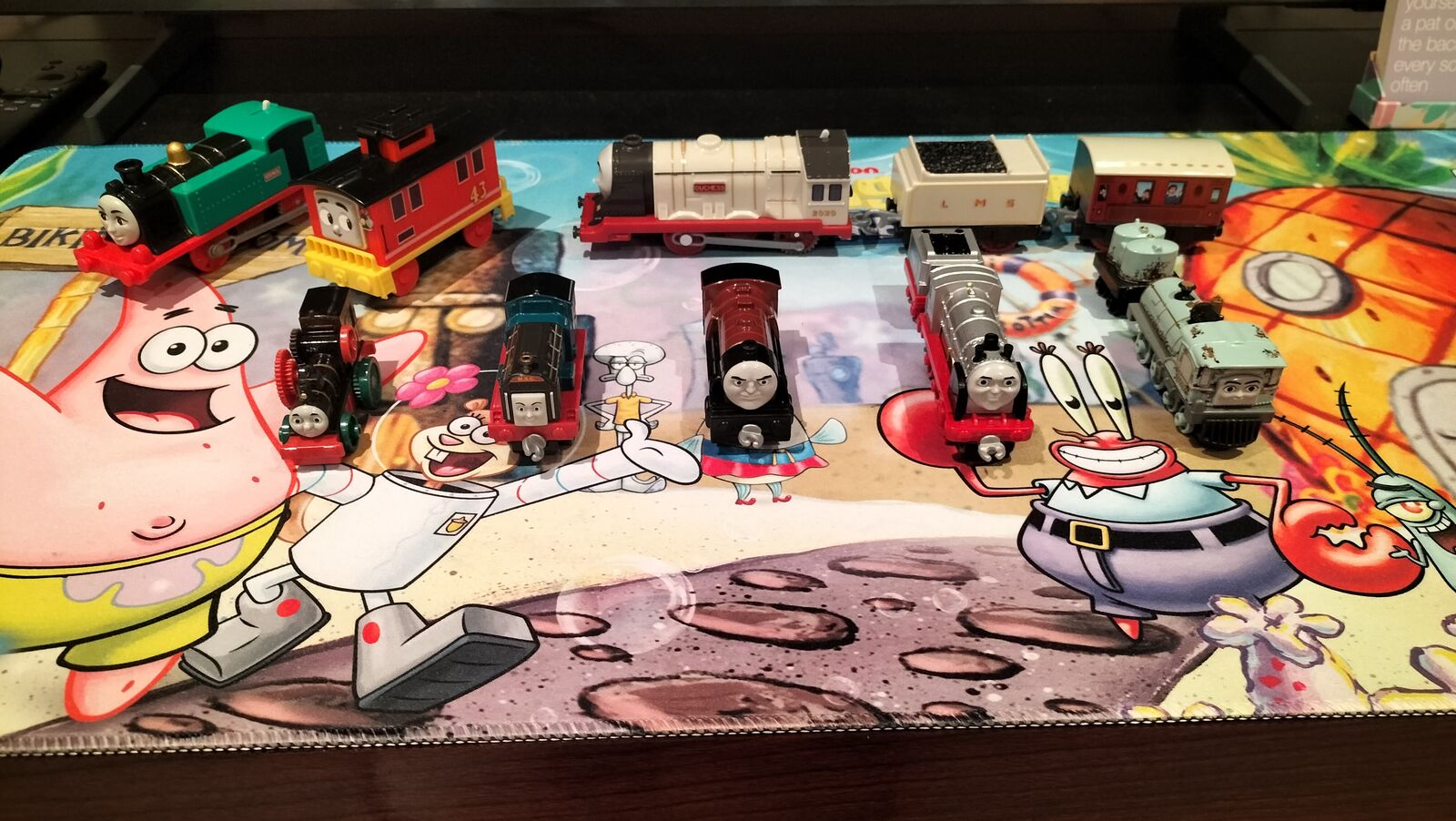
Personally, what I love about collecting character-based toys is the nostalgia of the characters and the media they are shown in. Owning character-based toys is a way to show that I really love the characters that bring a lot of joy. Toys based on characters from films or television shows are used as a marketing tool to promote said media and it works because these toys are quite popular with children and collectors alike. Owning those toys is basically the characters existing in the real world for our pleasure rather than being restricted to a screen.
Toys are also, in my opinion, works of art and craftmanship. That could also add to the appeal of toys for Autistic people. Love of toys becomes part of a person’s character and eventually their own appeal. There are many details of a well-made toy such as the paint, model shape, the uncanny resemblance to the character, or perhaps the articulation of how action figures can pose. Certain toys that were manufactured in the 1970s or 1980s have since been discontinued and are rarely spotted to this day. This makes certain vintage toys collectible due to the collector’s value. Some contemporary toys such as Squishmallows also become collectible because of them being featured on social media and they create a fad. In other words, some collectors treat hunting for rare or limited-edition collaborations as a hobby. One particular toy in my collection that feels like a work of art is an action figure of Troy McClure from The Simpsons because he was voiced by one of my heroes back in the 1990s, Phil Hartman. The character was retired from the show due to Phil’s untimely passing. Having a figurine of Troy is a reminder of how loved the character remains.
Why Soft Toys Are So Popular
There is an interesting fact about soft toys specifically. They are beneficial for mental health as they provide stress reduction, improve sleep and help build a sense of security. People would often hold soft toys for comfort during difficult times – I can personally say I do the same. Two examples of soft toy lines that have proven to be popular are Squishmallows and Hug-a-Lumps.
Hug-a-lumps are highly popular as they blend the comfort of a regular soft toy with the calming pressure of a weighted blanket. They are weighted due to containing beads which provides deep-pressure stimulation. The toys feature extra- soft, textured materials that make them perfect for sensory grounding for children, teenagers and adults alike.
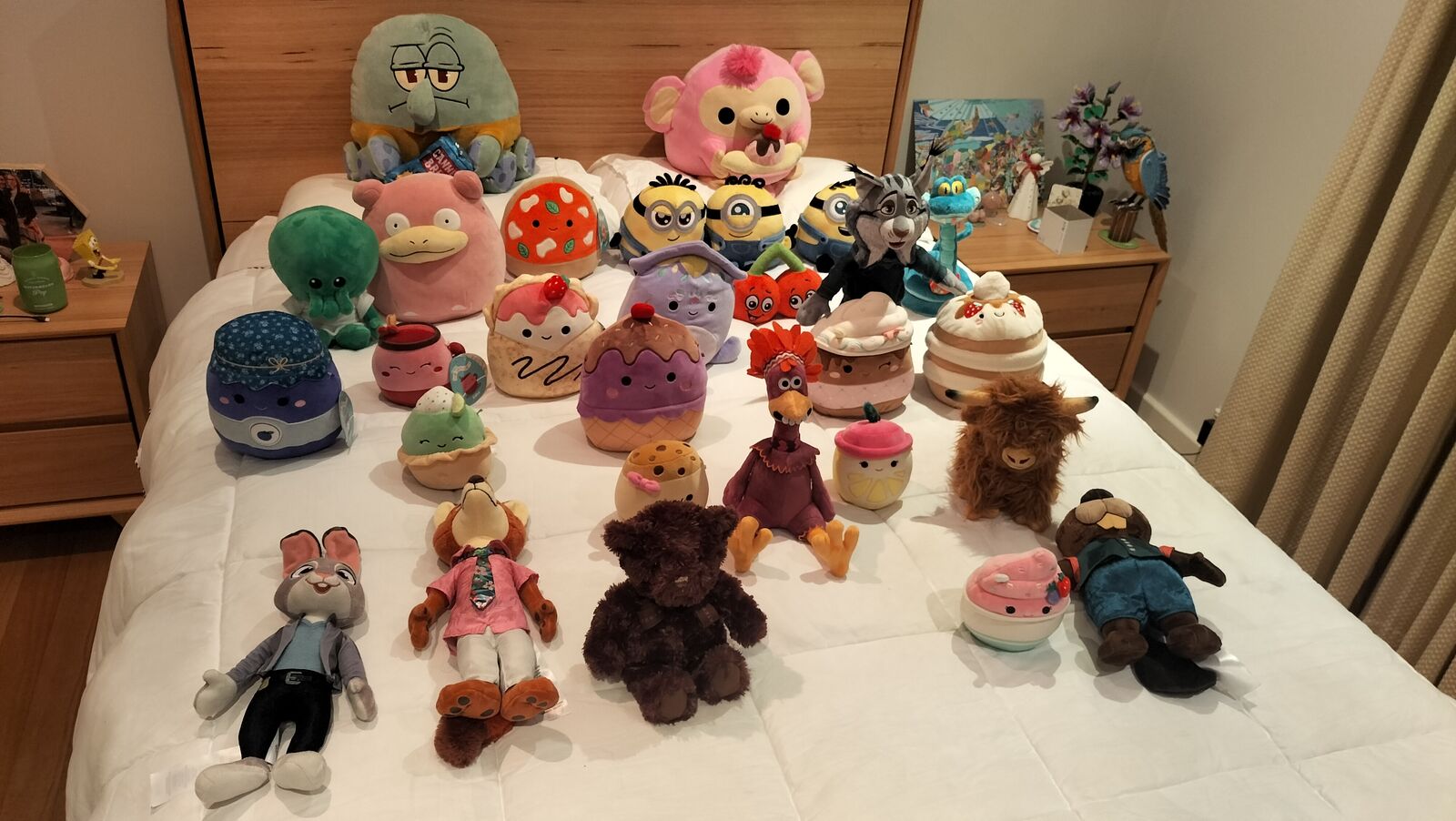
Squishmallows are also highly popular as they combine ultra-soft, marshmallow-like texture with emotional comfort. During the infamous pandemic in 2020, the Squishmallows line exploded due to people stuck at home seeking emotional comfort and these toys went viral on social media because of fans sharing their collections. The Squishmallows line has over 3000 characters with unique names ranging from animals, food items and Pokémon to characters from existing media. These toys are made from a specific stretchy polyester and their mochi-like stuffing makes them perfect for anxiety-relief, general comfort and even a practical use as pillows.
Conclusion: Why I believe toys are more than just playthings
Toys may be designed for children, but their value extends far beyond childhood. Action figures, dolls and die-cast models are more generally for children’s play, but on the other hand, they are also appealing to collectors, like myself, as they too bring joy to many. Everyone’s interest and taste in toys vary. But overall, toys should be seen as something essential or a source of joy and comfort, not as something exclusive to childhood. We all need to have moments of feeling like a kid so life can still have it’s elements of fun. A quote from the Toy Story franchise would support this; “Our mission on this planet is to make a child happy.” While I agree with this, I also add “and adult” because even adults love toys too, especially Autistic individuals like myself.
If someone was to say that toys are just for kids, my response to that claim is this:
That’s what some people believe. But to collectors and Autistic people, they are many things: a hobby, a source of joy and pleasure or in some cases of collecting, a potential investment. Whether they are collected, displayed, cuddled or simply appreciated, toys can play an important role in wellbeing and self-expression.
The point is everyone’s opinions on toys differ and that’s ok. For me, and other Autistic people, they give us meaning, comfort and joy!