Growing up in the world of the arts, I was taught to make myself smaller in a world that now applauds me for taking up space. As an Autistic woman in the arts, that contradiction sits at the heart of everything I create.
The ideology that women should be “seen and not heard” has always felt like my personal idea of a nightmare, but I have never been a quiet person. My expression has always been big – physically, vocally, creatively – and for a long time, I felt pressure to contain that. It's similar to the outdated ideology of children should be seen, not heard, which resulted in low self-worth, anxiety, depression and difficulties with trust and communication. Not allowing natural expression is a suppression of Autistic traits, resulting in social isolation, profound burnout and a loss of identity.
As an Autistic woman thriving and navigating the arts in the 21st Century, being labelled “too much”, “too intense”, “too sensitive,” “too loud,” or “too direct” is not a reflection of failure, but of a mismatch between authenticity and a neurotypical social standard that was never built for me. Even as a little girl, I resented joining the school choir at the multiple schools I attended because my music teachers despised my overpowering the other kids with my voice and told me to hold back, despite having an extensive vocal range and ability that was, in fact, relied upon in every performance. This contradiction of being both needed and silenced shaped an early understanding that my natural expression was something to manage, rather than something to celebrate. And yet, that same voice, that same intensity, is what gives my artistry its power. Drawn to expression through music, storytelling, and movement, much of my life has been spent learning how to hide my artistic and performing skills not just on stage, but in everyday moments.

Autistic individuals can be drawn to the creative and performing arts as a way to understand and express the social and emotional world around them, channelling their strong desire for connection into structured, creative forms. I have often found myself drawn to the performing arts as a way to understand and express the social and emotional world around me, channelling a strong desire for connection into structured, creative forms. I learned to study tone, timing, eye contact, and energy as if they were scripts, turning survival into a kind of invisible rehearsal that the world mistakes for natural charisma. Over time, this translated into strengths — creativity, precision, adaptability, and the ability to manage complex environments, switch between roles, and maintain a high level of focus in both creative and professional settings. What began as a way of navigating the world has become a meaningful part of how I work and create.
What is praised as versatility or emotional intelligence is often masking; an ongoing, exhausting, calibration that can continue long after the applause fades. In spaces that claim to value authenticity, I still feel misunderstood, misread, or moulded into narrow expectations, forcing me to soften or filter the very instincts that make my artistrypowerful. Yet when I am supported as I am, I don’t just exist within the arts, I can bring a depth, honesty, and perspective that challenge what it truly means to be visible.
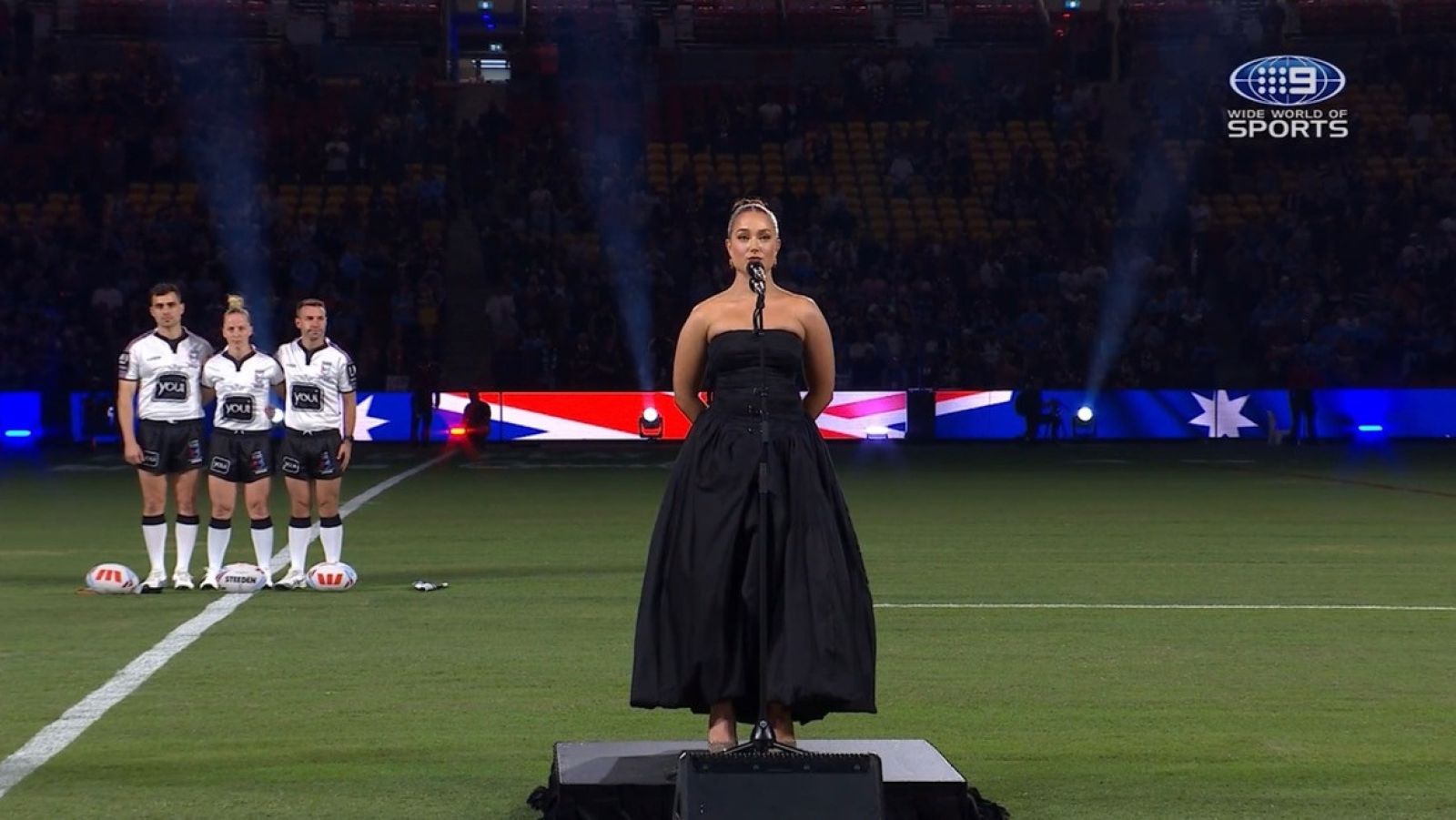
I have spent a lifetime being told, in ways both subtle and explicit, that I am too much—too intense, too sensitive, too direct, too emotional, too different—yet I exist in an industry that demands exactly those qualities while still asking me to dilute them to belong. This is the paradox of being an Autistic person in the arts: we are taught to shrink in spaces that thrive on expansion, to translate ourselves into something more digestible, rehearsing conversations, studying expressions, and calculating every detail just to be understood. What the world calls “too much” is, in truth, an unfiltered way of experiencing and responding to the world – one that doesn’t sit on the surface. And while the industry celebrates authenticity, it often only accepts it when it fits a narrow, comfortable frame.
But the very traits I was taught to suppress—my sensitivity, my intensity, my need for truth—are the foundation of my artistry. They are the reason my work connects, the reason it is felt rather than simply consumed, and I refuse to make that smaller for the sake of comfort. I am not here to be palatable or predictable; I am here to expand what art can hold. The moment I stopped trying to be less was the moment my voice, my presence, and my art became undeniable.
Being different makes a difference. Being different doesn’t make me less; it is exactly what makes my work matter.
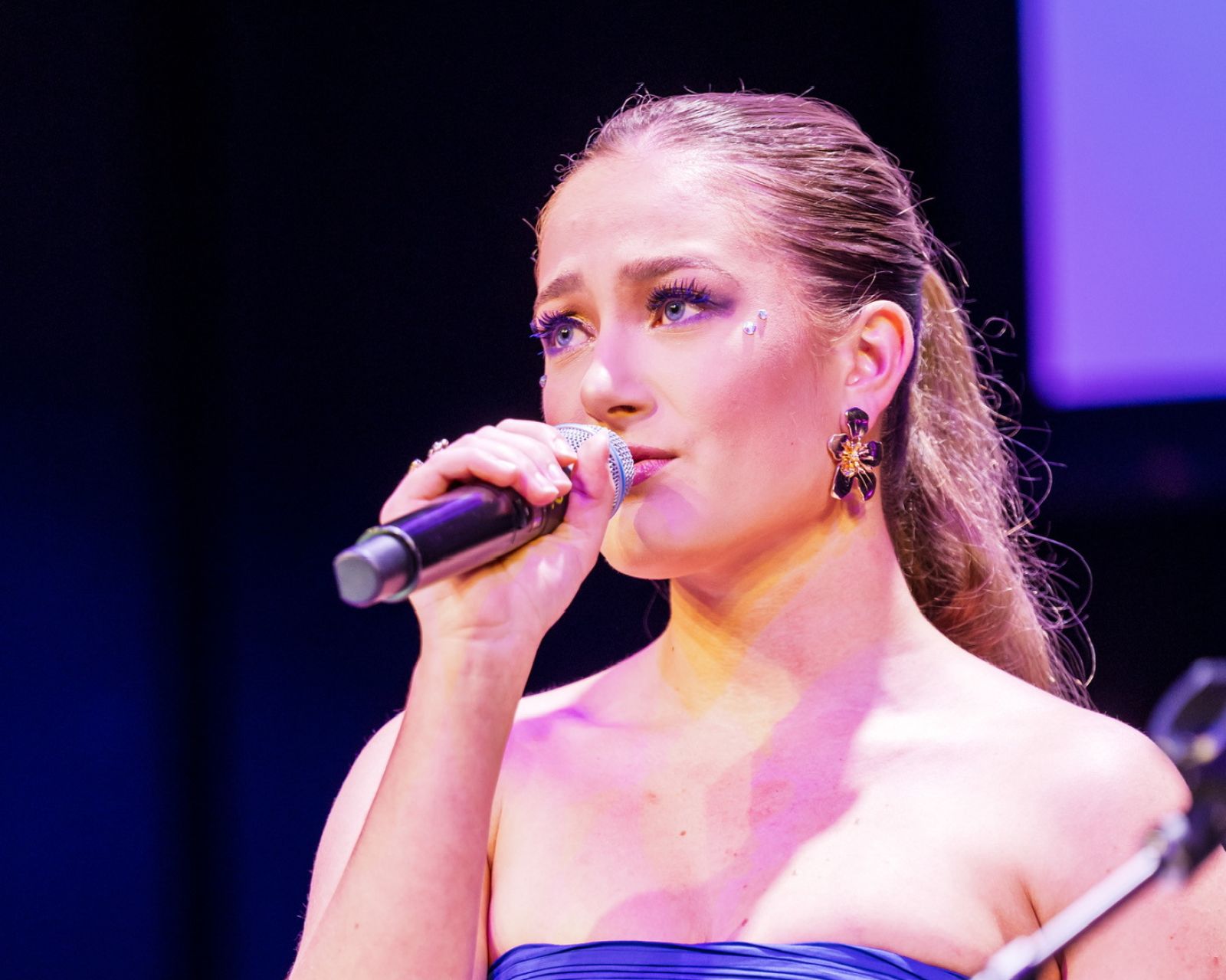
This blog was written by Emma Tomlinson, Singer/Songwriter and World Autism Understanding Month ambassador.
Emma is a proud ambassador for Autism Queensland, a leading provider of specialist autism services and Queensland’s peak autism body.