Facilitating a successful transition into an early childhood education and care settings
Research shows that children who participate in a quality early childhood education program for at least 600 hours in the year before school are more likely to arrive at school equipped with the social, cognitive and emotional skills they need to engage in learning (Department of Education, 2018).
Early years programs
Aspect runs several programs aimed at children under 4 years of age and that are currently not in an early childhood education setting. They are open to all children, including children with a disability, children from culturally and linguistically diverse backgrounds, and Aboriginal and Torres Strait Islander children.
The Aspect Building Tots Playgroups are family-centered and delivered by a psychologist, occupational therapist or speech pathologist with knowledge in early childhood supports and autism. The playgroups are free and an opportunity for children to play and engage with each other, and for parents to connect.
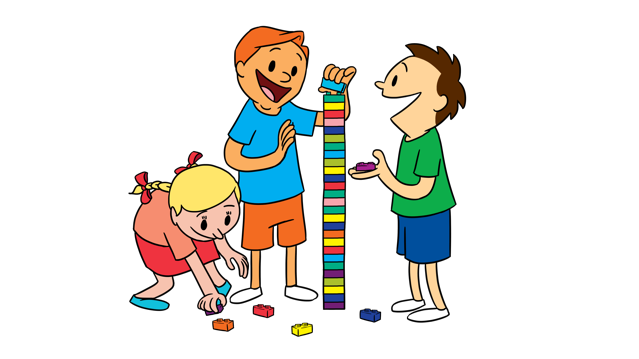
The Aspect Building Tots Transition program provides support to families and centres to facilitate the successful transition of the child into an early childhood education and care setting. The program includes up to 6 hours of support at your child’s new early childhood education and care setting.
The Building Tots Transition to Preschool Program is funded by the Department of Education under the Start Strong Initiative.
Building Tots Intake Form
If you are interested in the Building Tots Playgroup or Transition program for your child or a child and family you are supporting, please complete the intake form below.