

For many children who are starting school next year, this is the time of year when schools are offering orientation sessions and transition to school sessions for children and their parents. An occupational therapist can support children, parents and work with schools to facilitate a positive transition to school, and to help them participate in the school environment.
This Occupational Therapy Week (26 October – 1 November), we’re exploring the theme Participation Matters and what it means for neurodivergent children who are starting school, and their families.
Starting school: How an occupational therapist can help
Starting school is a big moment in a child's life, where they are moving into a new educational setting where they will need to be more independent and engage in learning with unfamiliar teachers and peers.
For Autistic and neurodivergent children, this transition can come with additional challenges. This is where occupational therapists (OTs) can help children prepare for starting school, and work with parents and schools to make participation easier when they begin attending school.
How can occupational therapy help a child transition to school?
An occupational therapist can support a child and family:
- Prepare for orientation sessions at the school to make it a positive experience. This may include developing visual supports and social stories to help the child feel more prepared for what will happen during the orientation session.
- Arrange additional orientation sessions at quiet times at the school, where the child can do a tour of the school and visit the classroom at a quieter time than the orientation sessions.
- Develop a social story about starting school for the child to read with the family prior to starting school.
- Develop “A Book About Me for my Teachers” for the teacher to understand the child’s strengths, interests and support strategies that will help them participate in the classroom.
- Understand the child’s sensory differences and how this could be accommodated for in the classroom/school environment (eg. Providing headphones, quiet sensory areas in the classroom, fidgets, alternate seating etc).
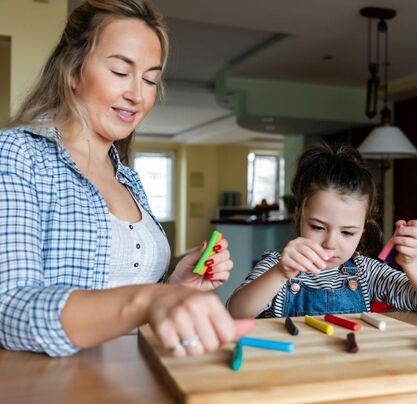
Working in collaboration
An OT can also work in collaboration with the school's teachers and learning support team to develop a transition to school plan which takes into account the child's strengths, support needs, communication and sensory differences, and any potential task or environmental adaptations that may be helpful in the school environment.
OTs can also support a child to develop other skills in readiness for starting school, such as:
- fine motor skills, and learning to write their name
- getting dressed and wearing their uniform
- developing independent toileting skills
- packing their bag and opening lunchboxes and drink bottles
- supporting with setting up positive morning and afternoon/evening routines
- following routines in the classroom
Resources
For more practical ideas on how occupational therapists can help children who are starting school:
- Starting or changing schools - Aspect information sheet
- Starting primary school: Autistic children - Raising Children resource
Common questions about occupational therapy
How do I choose an occupational therapist who is right for my child and family?
Finding the right occupational therapist is about finding someone who understands your child and works in a way that feels right for your family. You may want to ask about their experience working with Autistic and neurodivergent children, their approach to neurodiversity-affirming practice, and how they involve children and families in setting goals.
It can also be helpful to consider whether the occupational therapist is willing to work with your child’s school and other people who support them. Most importantly, your child should feel safe, respected and understood, and their strengths, interests and individual needs should be at the centre of their support.
How do I get started with occupational therapy?
What can I expect at my child’s first occupational therapy appointment?
Your child’s first appointment is an opportunity for the occupational therapist to get to know your child and family, and understand how your family is preparing for school. They may ask about your child’s strengths, interests, communication and sensory preferences, as well as everyday skills and routines that may be important at school. Together, you can identify goals and practical strategies to help your child feel prepared and supported as they start school.