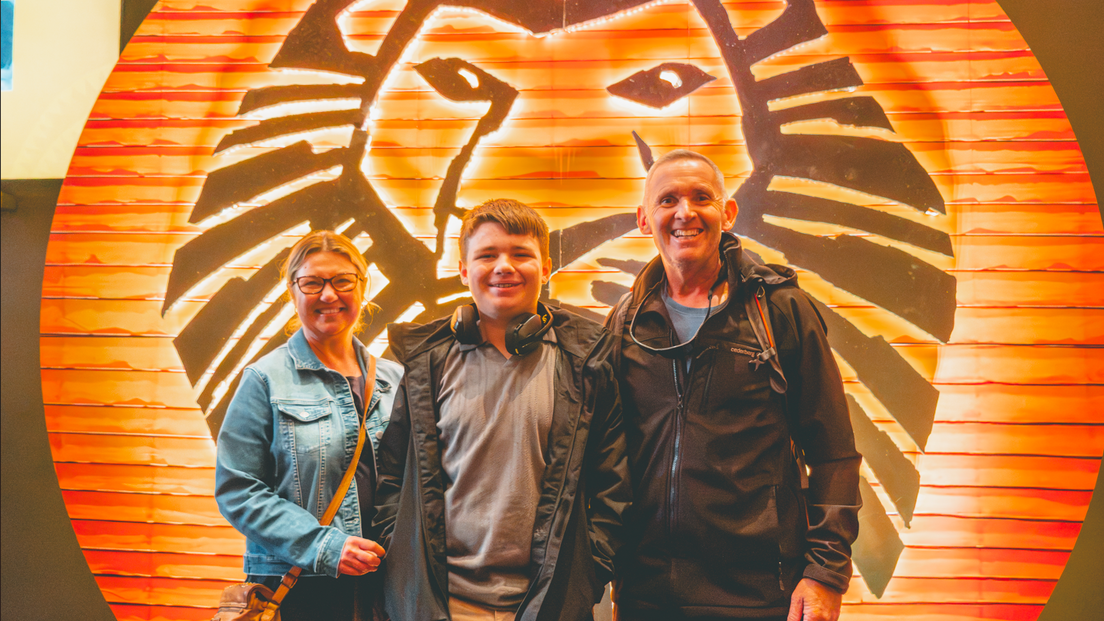

Dr Nicola Jane’s relationship with Aspect is both rare and deeply personal. Unlike many who come to Aspect through their professional or family lives, Nicola’s first connection began when she herself was still a child.
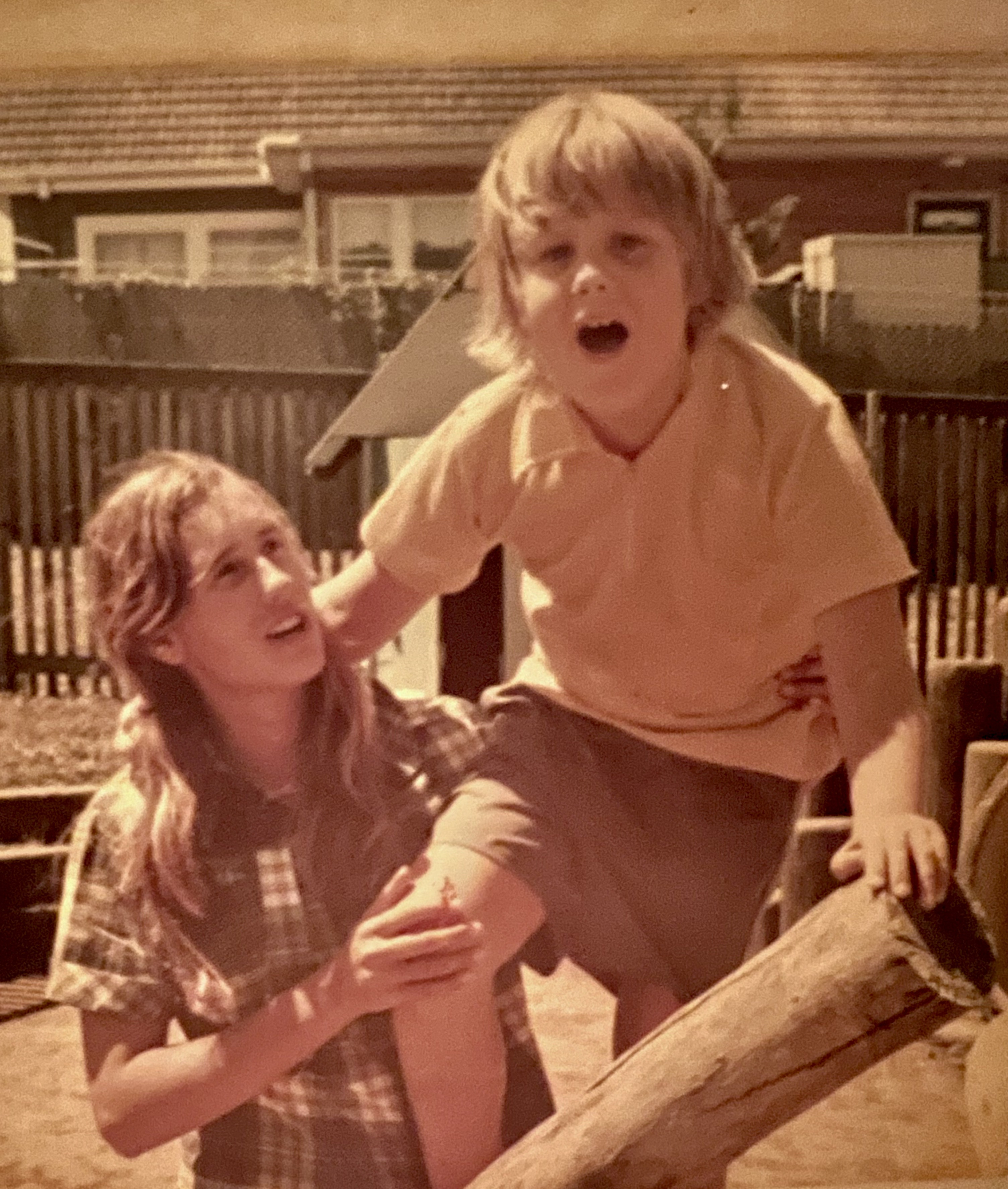
Growing up on Sydney’s North Shore in the early 1970s, Nicola was invited, alongside a small group of classmates, to take part in a pioneering mentoring program at what was then known as the Forestville Autistic Centre (now Aspect Vern Barnett School). As a teenager, she spent one afternoon each week as a one-on-one mentor to an Autistic child, an experience that left an indelible mark.
Those early afternoons, spent playing, learning simple signing and supporting her young friend through outdoor activities, sparked a lifelong curiosity about the human brain, development and difference. That curiosity ultimately led Nicola into medicine, where she built a career shaped by compassion, careful observation and deep respect for individual experience.
Last year, after retiring from medicine, Nicola brought her dream of writing books for children, often with soft medical messaging, to life.
Twelve, is a fictional story, though based on several families I've known or treated over time. It expresses the strong bonds between siblings and the acceptance of differences. The older brother has a physical disability but is also very protective of his younger brother who may just be on the spectrum.
Fifty years on, Nicola still carries vivid memories of that time and of the child who, though she says may not remember her, left a lasting imprint that guided her towards medicine.
Meet Nicola
How did your connection with Aspect first begin, and what did it mean to you at the time?
My relationship with Aspect is historic and unique in that I was myself a child at the time of my association.
In 1966, my family moved from country town life in Goulburn to a new subdivision called Killarney Heights. My parents were both teachers, and I moved through the local public and high schools as they were being established.
In late 1974 or 1975, when I was in Year 8 or 9, I was invited, along with some classmates, to attend the Forestville Autistic Centre one afternoon a week as a “big sister” or child mentor. We were told the children often responded well to other children, and that our teachers felt we were responsible and would manage catching up on missed schoolwork.
Looking back, it may have been a little experimental but at the time I felt acknowledged and trusted. We were picked up after lunch by a minibus and spent the afternoon with our one-to-one friend, guided through activities by staff.
My knowledge of autism at that time was zero. But that was the beginning of my association and my curiosity.
What is one memory or moment from your time with Aspect that has stayed with you over the years?
Despite fifty years having passed, my memories are still strong.
The child I was paired with was around ten years old, non-speaking, physically strong and loved outdoor activity. Indoor activities were difficult without shared language but outdoors he thrived - climbing, trampolining, roller skating and swimming.
One afternoon that has stayed with me was when we were allocated the swimming pool. I was his water-play and safety buddy. Even with a life vest, I was nervous, he was almost as big as me and would sometimes grab onto me. I was very relieved, and proud, when we completed the activity safely.
I was also taught simple signing, which I found challenging and rewarding.
From your perspective, how has understanding of autism, and support for Autistic people, changed over time?
In the 1970s, I think only children with more significant support needs were recognised as Autistic. The idea of a “spectrum” wasn’t part of common language.
Over time, terms like Asperger’s Syndrome were introduced to recognise people with Autistic traits and strong intellectual abilities. More recently, autism has become a broader and more inclusive framework, though it also highlights just how wide the range of abilities and support needs can be.
It’s more complex now but also more inclusive and that feels important.
What does inclusion for Autistic people mean to you personally?
To me, inclusion starts with educating neurotypical people. Understanding creates safer, more respectful environments where neurodivergent people can participate in ways that suit them, whether that’s more engagement or less.
I’ve seen positive changes, like quiet spaces in shopping centres, airports and schools where people can regulate and reset. I’ve also heard of wonderful family picnic days where families of neurodivergent children can enjoy time together without judgement.
Inclusion in the workplace still requires ongoing education and commitment from employers but awareness is growing.
Looking ahead, what would you love to see for the future of autism understanding and support in Australia?
I would love to see earlier access to diagnosis so parents can receive guidance and support when their children are very young. As Autistic children grow into adults, inclusive attitudes remain essential in helping them move through workplaces, communities and everyday life.
I also hope to see more autism-safe community spaces, such as cafés and social clubs, where people can connect in ways that feel comfortable, welcoming and supportive.
You supported and mentored Autistic children in the 1970s. What did that experience teach you, and how did it influence your career in medicine?
My time at the Forestville Autistic Centre, combined with my own experiences of migraines from puberty, led me to wonder deeply about the human brain.
I saw how my own brain could become temporarily incapacitated, affecting speech or vision, and I extrapolated that there must be reasons why some children didn’t develop along typical pathways, even though their experiences were far more enduring.
Those experiences planted the seed for my dream of becoming a doctor. While family life later changed my specialty plans, my fascination with neurology stayed with me. Understanding the brain is relevant to every area of medicine.
Some early experiences shape us forever. This was one of mine.
From your professional perspective, what shifts have you seen in how the medical community understands autism?
Understanding, diagnosis and education around autism have changed enormously and will continue to do so.
Educating new parents remains critical and is a forever need. Many simply don’t know what neurotypical development looks like and that’s where GPs and community nurses play an invaluable role. They are often the first point of regular contact and can listen, observe and ask questions.
Many parents and GPs struggle with how to start the conversation about autism. What advice would you offer?
Starting the conversation can be difficult but parents are usually grateful to be listened to. They know their children best and are often seeking reassurance or guidance.
Sometimes it’s about noting concerns, observing over time and gently revisiting questions about communication, behaviour or milestones. Referral, when appropriate, is important and comprehensive assessment should always sit with specialists.
As both a doctor and a parent, I believe in being a supportive, encouraging ear. Parenting itself is a dynamic spectrum.
A final reflection
As Aspect celebrates 60 years since Dr Andrew Vern Barnett AM MBE and his wife first laid its foundations, I often find myself wondering how the children from those early days have moved into adulthood.
I think often of my young friend. He may not remember me - but I always remembered him. And I thank him for guiding me towards a life in medicine.