Tom Broadley's connection with Aspect began more than 15 years ago, when he joined what is now Aspect Adult Community Services in Victoria. After spending 10 years as a participant, Tom became an Autism Liaison Officer, drawing on his own lived experience to support other Autistic adults.

From building his own confidence and independence to helping others pursue their interests and goals, Tom talks about his journey with Aspect, the importance of feeling accepted and what he'd like to see change for Autistic people in Australia.
1. How did your connection with Aspect first begin, and what did it mean to you at the time?
My mum discovered a service called Alpha, which later became part of Aspect. I started with one-on-one support and then joined the group programs around 2010.
Back then, we didn't have the facilities we have now, we had one room with a kitchen.
Initially, it wasn't a positive experience for me because of my previous experiences growing up. I'd struggled to make friends at school, experienced bullying and often felt misunderstood by teachers. Being in group environments had been stressful and overwhelming, so joining another group was difficult at first.
But as I opened up more, became more relaxed, met other participants and had support from staff, it became a positive thing.
2. What is one memory or moment from your time with Aspect that has stayed with you over the years?
I couldn't really think of just one moment. For me, it's seeing participants having a good time at Aspect and reaching their goals.
We've had participants who have built their confidence and then moved on to TAFE or other opportunities. Sometimes they leave Aspect completely, and that's a really positive thing because they've achieved what they wanted to achieve.
One participant, Ari, really loved gardening. We did gardening all the time, and he was always really engaged in it. He was also interviewed for Gardening Australia, and he ended up getting a job in gardening, which was great.
It's those sorts of things that make me happy.
3. From your perspective, how has understanding of autism, and support for Autistic people, changed over time?
I've seen a lot of changes in the community, such as the Hidden Disabilities Sunflower, quiet hours, sensory rooms and social stories to help people prepare for events.
There's definitely more information out there and better support than when I was growing up.
I was diagnosed as Autistic when I was 14, and back then there wasn't really any autism support at school. I didn't even understand what my diagnosis meant.
I struggled to make friends and was bullied, so I became the class clown in my efforts to cope. People thought I was funny and wanted to hang out with me, but I also got into trouble a lot. At the time, making friends was more important to me than getting good grades.
I remember doing a cooking program at school and getting overwhelmed because the recipe had too many steps. I asked the teacher if I could just put cheese on my pizza and cook it that way, but I got sent to the office for not following the instructions.
There were lots of times when I was trying to make things easier for myself or just be myself, but I wasn't allowed to.
Things have definitely come a long way, but I think there's still a lot that needs to be done.
There's still this idea that Autistic people need to change themselves to fit into society. They need to build their social skills and independence before they can get a job or pursue other opportunities.
I understand that to a degree, because those were things I wanted to work on myself. But not every Autistic person wants to build their social skills. Being on their own, playing games and focusing on their interests should be accepted as normal too.
I think there's too much extra pressure put on people who are already struggling because the world isn't built around autism.
4. What does inclusion for Autistic people mean to you personally, and how have you seen it take shape in your community or profession?
For me, inclusion is about accepting people as they are and making adjustments, so they feel comfortable.
At Aspect, we take a person-centred approach, using things like visuals, social stories, fidgets and sensory spaces. We also try to incorporate participants' interests into programs.
I remember visiting our Aspect Adult Community Services at Heatherton and seeing a participant who was supposed to be doing a sorting activity, but he was on the computer watching trains because he loved trains.
I suggested changing the sorting activity to use pictures of trains and that got him engaged. It's about finding ways to make activities interesting for the individual rather than expecting everyone to do things the same way.
I've also been working on what I call inclusion posters. We have Aspect posters encouraging people to be themselves without judgement, and I've made one about stimming.
We had a participant who believed stimming was a negative thing. After reading the poster, he told our team leader he didn't realise it was something healthy for him. Now he feels more comfortable doing it without that stress.
I'd love to see more of those messages out in the community.
For example, an Autistic person might feel they have to take their headphones off when they enter a public place because that's the social norm, even though wearing them helps with their sensory needs.
It would be great to have signs letting people know it's okay to wear headphones or use whatever supports they need without feeling judged.
5. Looking ahead, what would you love to see for the future of autism understanding and support in Australia?
I'd like to see more understanding and flexibility around social expectations.
I think there's still too much focus on what Autistic people need to change about themselves rather than what the community can do to support them.
People should have more freedom to pursue their own interests and goals without feeling they have to meet certain expectations first.
For example, someone might want to develop their social skills, while someone else might be perfectly happy spending time on their own. Both should be accepted.
I'd also like to see more inclusion in everyday community spaces, so Autistic people feel comfortable being themselves without worrying about being judged.
6. You spent 10 years as a participant at Aspect Adult Community Services before becoming an Autism Liaison Officer. How did that transition come about?
It actually happened during the COVID lockdowns, when we all had a lot of time to think.
I had achieved a lot of the goals I'd set for myself, like building my independence and social skills, and I started thinking that I wanted to get a job.
I'd previously tried finding employment through job search providers, going to interviews and doing TAFE but I'd always struggled with those things.
The process of getting a job can be really stressful, especially the interviews and being put on the spot.
I thought maybe I could get a job at Aspect, even if it was just doing something simple like sorting materials, because I felt comfortable there.
When I returned after lockdown, I asked Aspect if there were any jobs I could do, and eventually that led to my current role.
I started with one day a week and gradually built up my hours. Now I work four days a week, with three days in my Autism Liaison Officer role and one day doing support work.
7. Having experienced Aspect both as a participant and now as an employee, how has your own experience shaped the way you support other Autistic adults? What do you find most rewarding about your role?
Before coming to Aspect, I'd had experiences with support workers who were doing their job but weren't really taking the time to get to know me.
That's something I've always wanted to do differently.
I try to spend a little bit of time with everyone every day. If I'm sitting in a room and see a participant on their own, I'll go and sit with them and see if they want to talk or if they'd prefer some space.
I try to understand each participant so I can support them in the best way possible.
Once I get to know someone, I can think about what I can do to make programs easier for them, whether that's using visuals, adjusting an activity or incorporating their interests.
Sometimes I'll even go home and research something a participant has told me about, like a movie or a streaming service, so that the next time I see them, I've got something to talk to them about.
The most rewarding part is seeing people become more comfortable and engaged.
Some participants are quite shy when you first meet them. But if you keep approaching them, saying hello and giving them the opportunity to talk, you gradually build that relationship.
Then all of a sudden, they're talking to you about all these different things and feeling comfortable around you.
That's pretty rewarding.
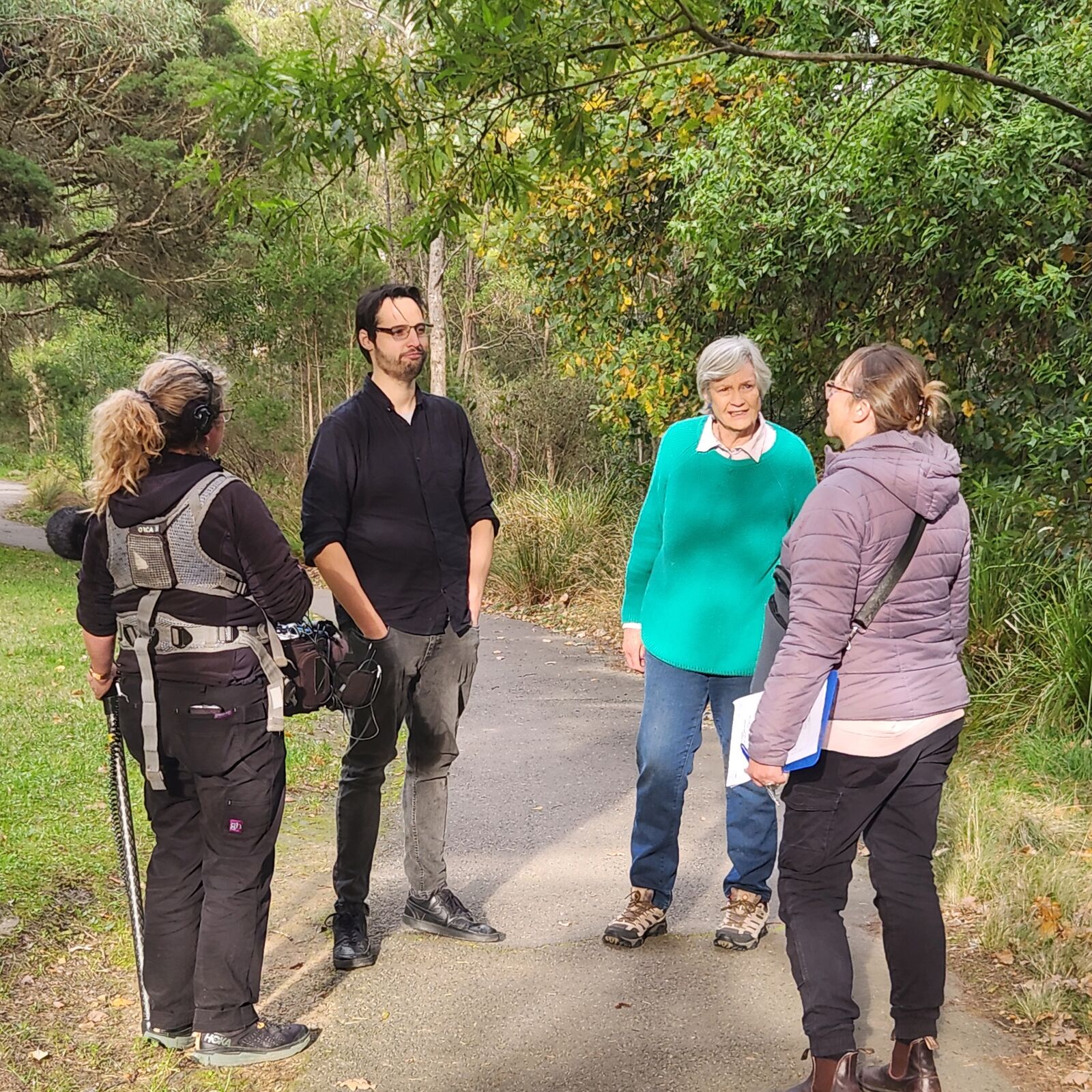
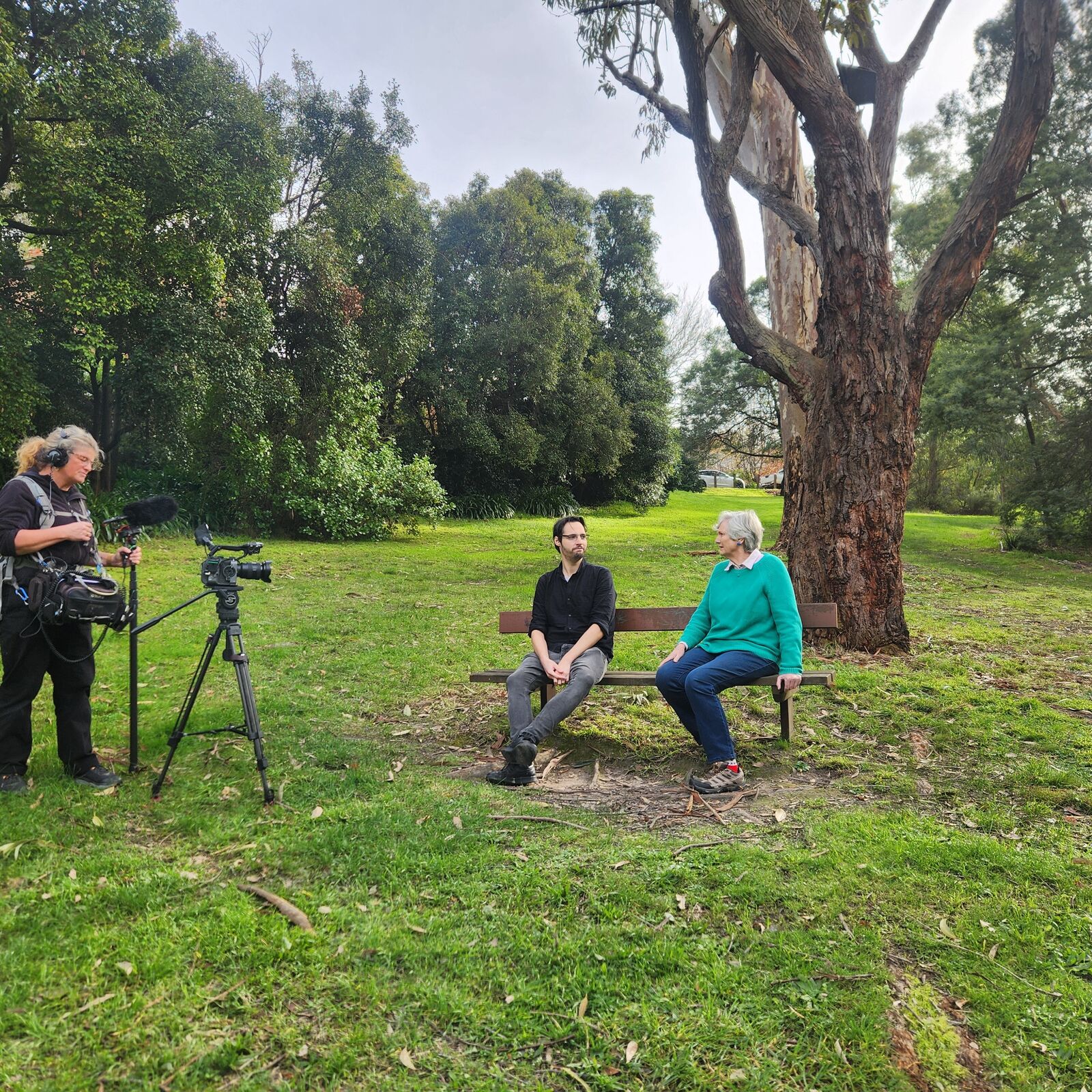
8. You've spoken about how much you enjoy being outdoors and your involvement in Aspect's Flora and Fauna gardening program, which was featured on Gardening Australia. What has being part of this program meant to you?
I've always been interested in plants and working outdoors. Before I started working at Aspect, I'd actually considered getting a job in that area.
Our participants had been volunteering at South Surrey Park for more than five years, helping to restore the park and look after the natural environment.
For me, the best part of Gardening Australia was seeing our participants get recognition for all the work they'd put in.
Several of our participants were interviewed, and it meant that people could see the effort our participants had made over the years to help rebuild the park.
I was really happy they were getting that recognition for volunteering their time.
We also developed a really good relationship with the Friends of South Surrey Park. They were interested in what we were doing and would sometimes take us on walks to explain the plants, wildlife and why certain plants were important for birds and other animals.
The program had a lasting impact. I heard recently that one of our participants had gone back to the park to see what had changed and how their volunteering had helped.
I think it's great that participants still feel that connection to the park and can see what they've contributed to the community.
Tom is an Autistic adult who joined Aspect Adult Community Services as a participant, with the intention of developing his social skills and engaging in community activities. Tom developed a passion for assisting his peers to achieve their goals, so much so that in 2021 he was offered the innovative role of Aspect Autism Liaison Officer.