
Imagine trying to concentrate while someone sprays perfume nearby, walking into a room that has been freshly painted, or a colleague heats up a tuna lunch at the desk next to you. For many Autistic people, smells can have a significant impact on comfort, concentration and wellbeing.
Most people understand that Autistic people experience the sensory world differently. While sensory experiences can bring great joy, they can also cause distraction, stress and overwhelm.
Smells is one of the least talked about sensory considerations in public environments, yet they can have a profound effect on accessibility.
Senior Autistic Consultant Emma Beardsley shares:
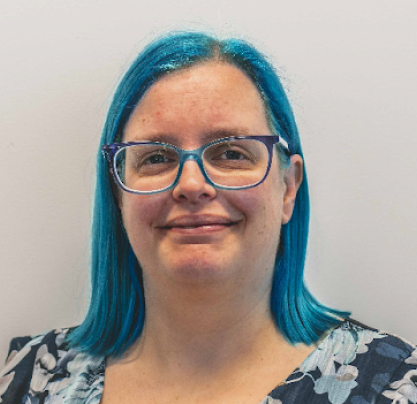
Strong, inescapable smells can be really hard for Autistic people to manage. For example:
- Standing on the tarmac waiting to board a plane that has the engines running
- Being in a bathroom that has just been cleaned with strong chemicals
- Walking into a room that has been freshly painted
- Sitting at your desk while someone is eating a strongly scented lunch
Unlike some sensory experiences, smells can be difficult to escape. They often linger, spread throughout a space and can be hard to ignore or block out.
Aspect Autism Friendly encourages our partners to consider ways to minimise unnecessary smells wherever possible. This might include:
- Using scent-free cleaning products
- Improving ventilation
- Creating designated eating areas to manage food smells
- Encouraging people not to eat at their desks
- Providing alternatives e.g. ‘the outdoor pool has less chlorine smells’
Where the smell cannot be reduced or removed, we suggest providing information ahead of time so people can prepare themselves and make informed choices about how they manage their sensory needs.
It's easy to recognise why unpleasant smells may be difficult. What's often overlooked is that even scents intended to improve an environment can create barriers for some people. Examples include:
- An individual wearing perfume or after shave standing close by
- Air fragrances in offices, conference rooms, airport duty free stores, or taxis
- A scent added to public transport or shared spaces to mask other smells
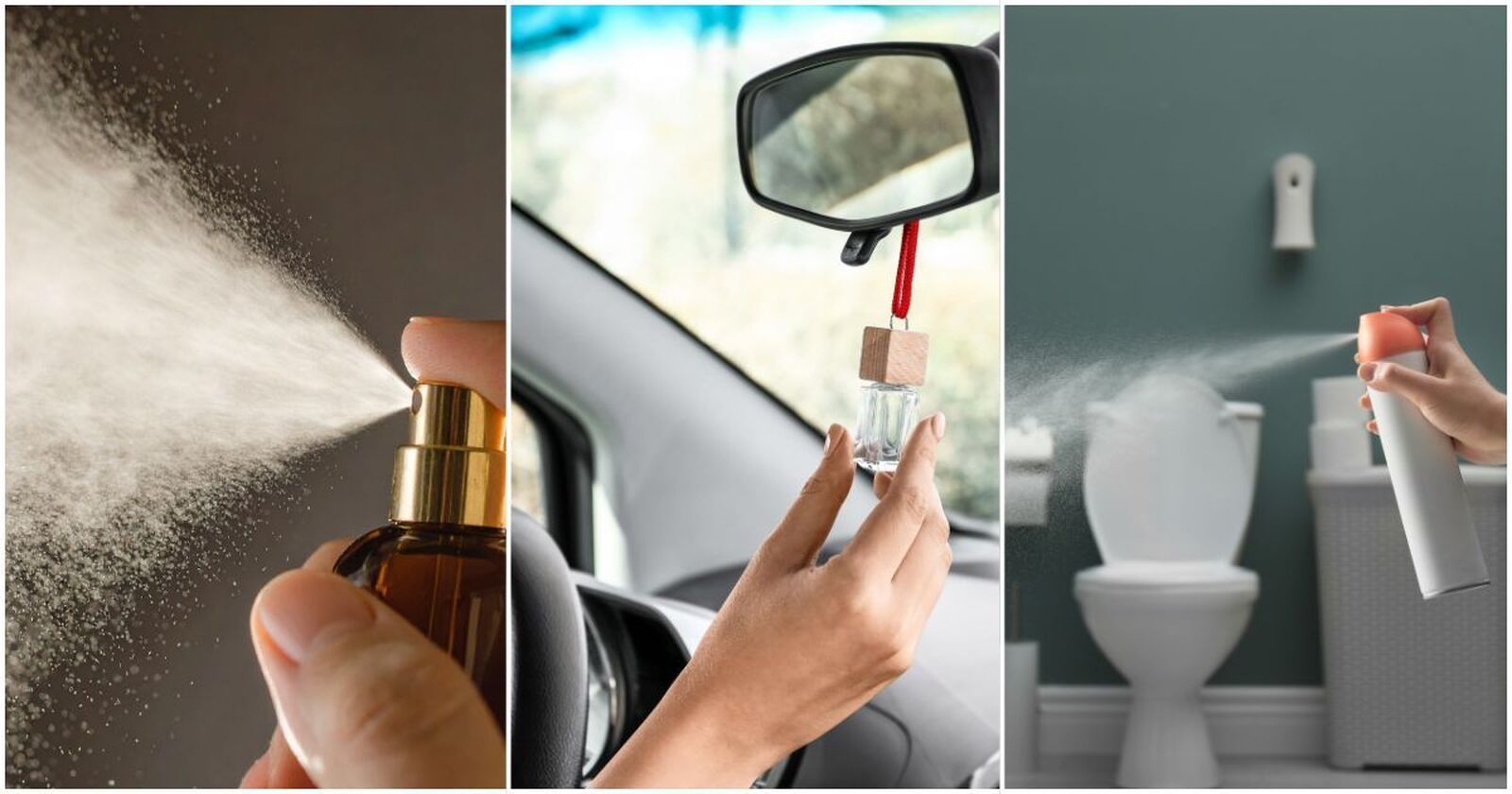
We appreciate the joy and positive intention some people experience with fragrances, scents and perfumes. So, it can feel really personal and difficult to ask people to stop.
However, for many Autistic people, these smells are inescapable and not perceived to be positive. Instead, they can become an extra layer of sensory information in a space that already feels overwhelming.
Beyond sensory discomfort, smells can also result in adverse health effects. For some people, strong scents may trigger migraine headaches, respiratory problems, asthma attacks, and other neurological effects. One study (Steinmann, 2018*) found that “59.4% of Autistic adults have lost workdays or lost a job, in the past year, due to fragranced product exposure in the workplace”.
This doesn't mean Autistic people dislike all smells. Like everyone, people have individual preferences. The difference is that sensory responses can be more intense, and having choice and control over exposure is often critical for comfort, focus and wellbeing.
Creating autism-friendly environments isn't only about reducing noise or improving lighting. Please do consider smells in your environment and remember that what might be nice for you might be overwhelming for someone else.
*Steinemann, A. (2018). Fragranced consumer products: effects on autistic adults in the United States, Australia, and United Kingdom. Air Qual Atmos Health 11, 1137–1142 https://doi.org/10.1007/s11869-018-0625-x
This article was written by the Aspect Autism Friendly team, with input from Autistic and non-autistic indivuduals.