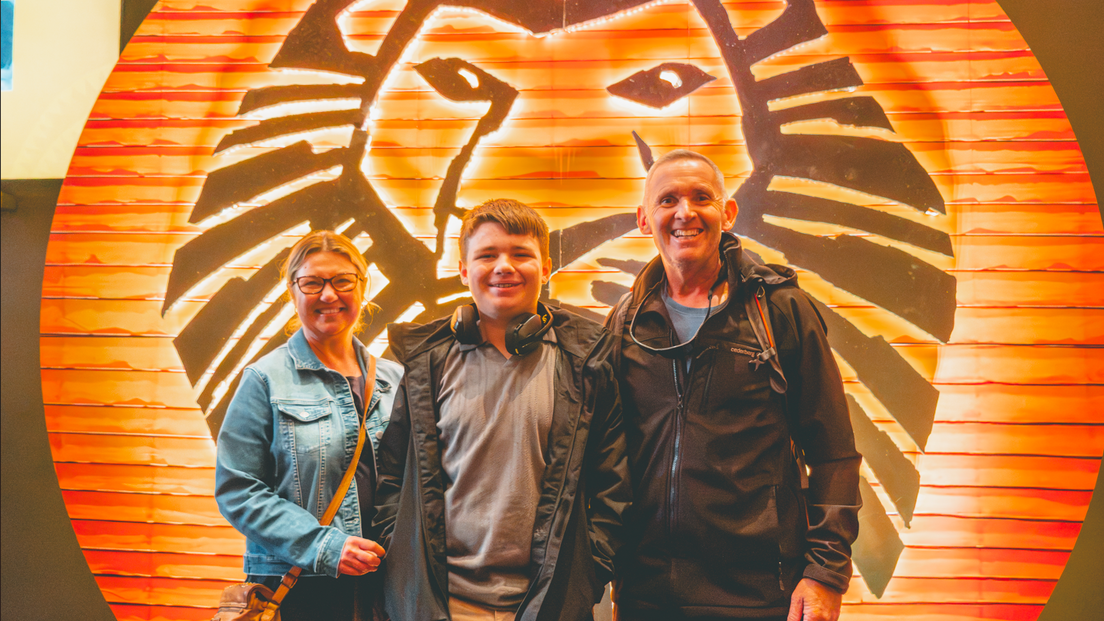

How did your connection with Aspect first begin, and what did it mean to you at the time?
Our son Harrison was diagnosed just before his third birthday in 1996. At the time, I knew very little about autism. We had spent years searching for answers and seen countless professionals before someone finally suggested autism.
Like many families, we felt overwhelmed. We were shocked by how little understanding and support existed, and although Tim and I were fortunate to both have careers and access to resources, we couldn't stop thinking about families who didn't have those advantages. That experience sparked our lifelong commitment to advocacy.
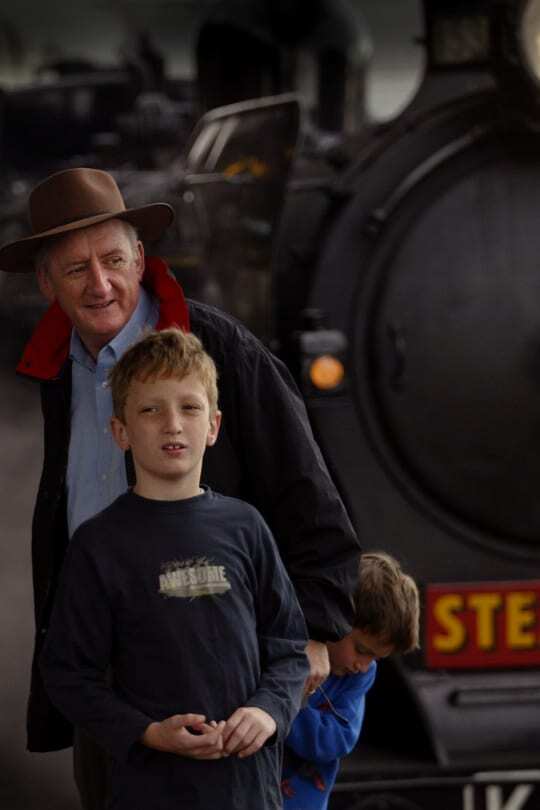
One of the first organisations we turned to was Autism NSW. Executive Director Imelda Dodds welcomed us to visit Vern Barnett School and other programs, and it gave us hope.
A few years later, in 1999, we met Adrian Ford and Dr Trevor Clark. Their passion, vision and determination to create change immediately resonated with us. That meeting marked the beginning of what has been a long, meaningful relationship with Autism NSW and, later, Aspect.
What is one memory or moment from your time with Aspect that has stayed with you over the years?
There have been so many special moments, from the first Aspect Comedy Night to the 40th anniversary celebrations and seeing Aspect Riverina School open in Albury.
But one memory that stands out is helping create what
became the Asia Pacific Autism Conference.
In the early 2000s, autism advocacy in Australia was largely state-based, making it difficult to speak with one national voice. Aspect was preparing to host the 2009 conference, and during a coffee with Adrian Ford at an Aspect Research Forum, we started talking about how we could create something bigger.
That conversation became the first Asia Pacific Autism Conference at Darling Harbour in 2009. It brought together people from across Australia and beyond, moving the focus away from state boundaries and towards collaboration.
Seeing that vision become reality remains one of the happiest memories of my time with Aspect.
From your perspective, how has understanding of autism, and support for Autistic people, changed over time?
The changes over the past three decades have been extraordinary.
When Harrison was diagnosed, autism was still considered rare. Governments had very little understanding of how many people were Autistic, and awareness across the community was limited.
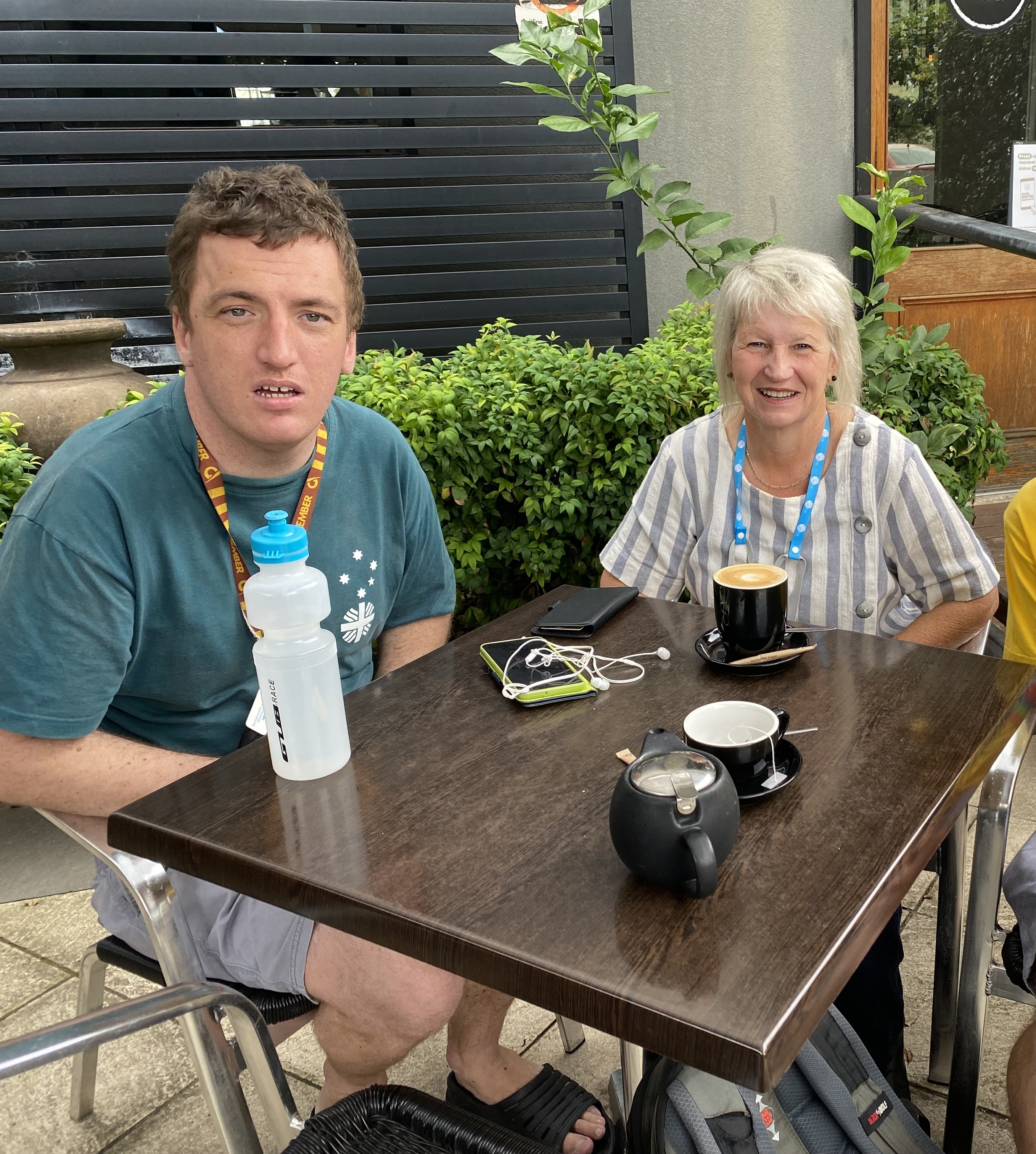
One of the biggest shifts has been the evolution of diagnosis and the recognition of autism as a spectrum. That has enabled many people who were previously misunderstood or misdiagnosed to finally find the right community and support.
Perhaps even more importantly, Autistic people are now telling their own stories. When we first began this journey, most organisations were led by parents speaking on behalf of their children. Today, self-advocacy is central, and the principle of "nothing about us without us" has transformed the way organisations operate.
There is still work to do, but autism is far more visible, understanding has grown, and many more Australians now know someone who is Autistic. That has helped challenge outdated stereotypes and build greater acceptance.
What does inclusion for Autistic people mean to you personally, and how have you seen it take shape in your community or profession?
To me, inclusion benefits everyone.
Our communities are stronger when we embrace different ways of thinking, yet for too long we've missed the contributions of many Autistic people simply because environments weren't designed with them in mind.
Motivated by what I have seen with my own son, and his difficult life experiences through childhood and school, this area has been my passion for a long time.
I have had the privilege of being involved in a number of key programs that have facilitated greater autistic inclusion in decision making and advocacy.
One experience that really shaped my thinking was coordinating the Future Leaders Program at the 2013 Asia Pacific Autism Conference in Adelaide.
That experience taught me that inclusion isn't about teaching Autistic people how to fit in. It's about designing environments that allow everyone to participate.
Simple changes were made such as sensory-friendly spaces, venue tours, quiet rooms, modified menus and clear support points which made an enormous difference. Those small adjustments allowed 26 emerging Autistic leaders to fully participate, build lasting connections and demonstrate what inclusive events can achieve.
Many graduates of that program have gone on to leadership roles, including within Aspect itself. Seeing that growth has been incredibly rewarding.
Looking ahead, what would you love to see for the future of autism understanding and support in Australia?
We've made tremendous progress over the past 60 years, but there is still much more to do.
Education remains one of the biggest challenges. While Aspect has led the way through specialist schools and partnerships with mainstream education, many teachers and education professionals still don't receive enough training to confidently support Autistic students.
The same applies across healthcare and the justice system. Understanding autism shouldn't be something professionals learn only when a crisis occurs. It should be embedded into everyday practice.
Autistic people already make countless adjustments to navigate a world that often isn't designed for them. Small changes to services and environments can make an enormous difference.
Programs like the Sunflower Lanyard demonstrate how thoughtful, respectful adjustments can create more accessible experiences. I'd love to see that mindset become the norm across every sector.
You and your late husband, the Hon. Tim Fischer AC, were Aspect's inaugural Patrons at a time when autism awareness looked very different. What changes in community attitudes and support have been most significant to you over the past two decades?
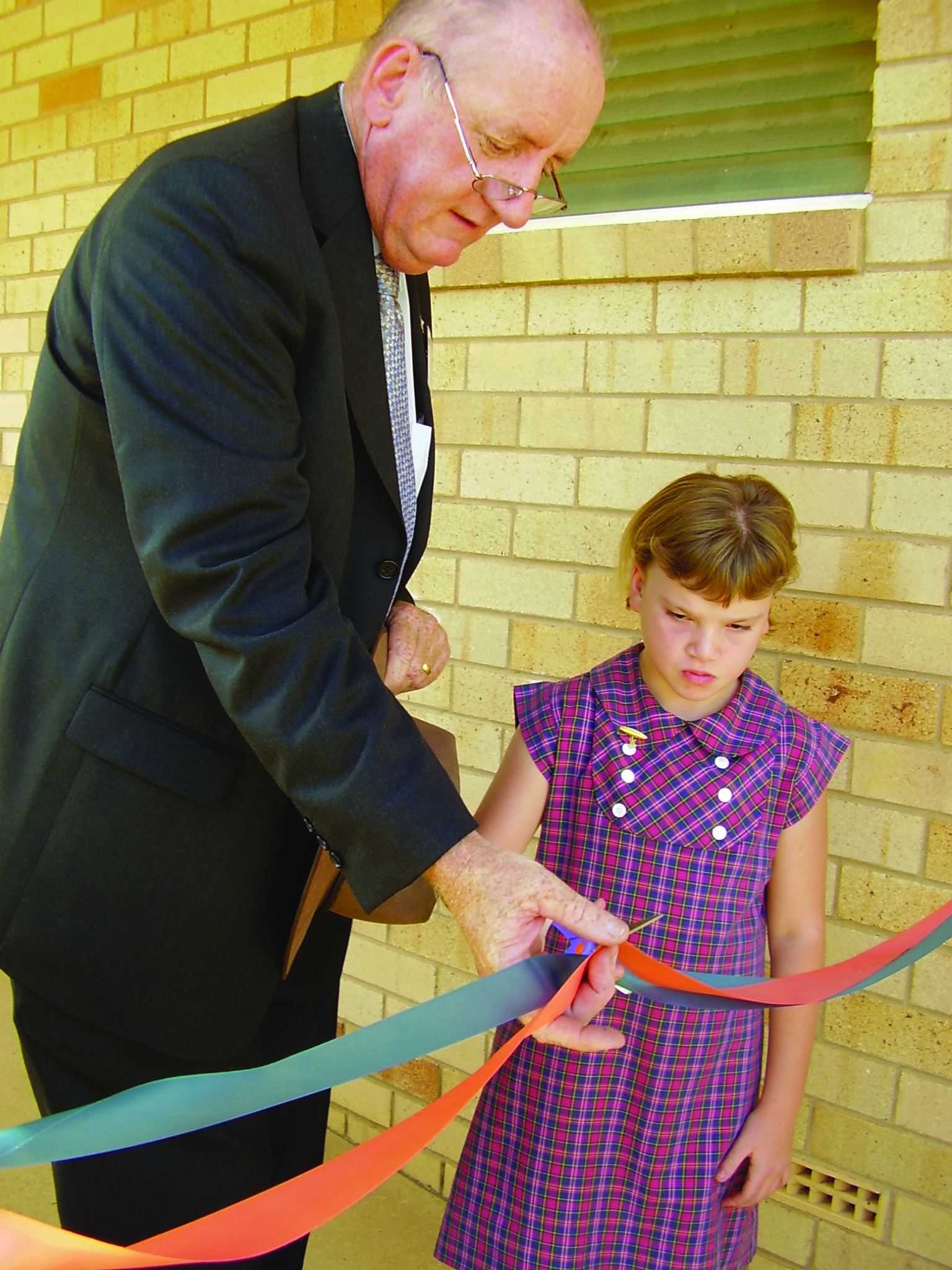
Awareness has changed dramatically.
Autistic people are far more visible today, whether through media, public life or self-advocacy. That visibility has helped reduce much of the stigma that existed when Harrison was first diagnosed.
We've also moved beyond the idea that there is one "type" of autism. People now better understand that every Autistic person has their own unique strengths, experiences and support needs.
As both a parent of an Autistic son and a long-time advocate, what has supported your son's growth and wellbeing the most, and what do you wish more people understood about supporting Autistic young people?
When Harrison was young, most conversations focused on what he couldn't do. His strengths were rarely recognised, particularly at school.
Today, greater understanding of autism has allowed him to find his community. He's proud to be Autistic and no longer feels he has to hide who he is to fit in.
The greatest support we can offer any young person is acceptance. Rather than trying to change people, we should create environments where they can be themselves.
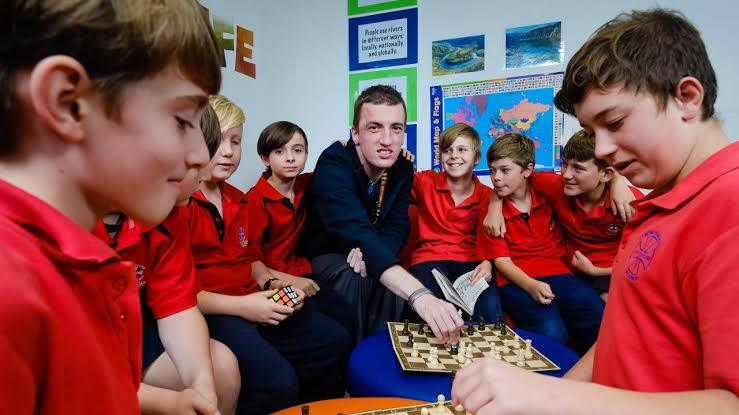
I also wish more people understood just how much we can learn from Autistic people. The Autistic people in my life bring honesty, authenticity and unique perspectives that have enriched my own life immeasurably. They are the people I most want to spend time with and I feel so blessed to be part of that community.
There is always something you can learn from people who have their own passions and interests, and who are so authentic without artifice or manipulation. If we're prepared to listen, they can be some of our greatest teachers.
Recently Aspect Riverina School's Albury campus named a building in your honour. The Brewer Building now stands as a tribute to your family's long history with Aspect. What does it mean to you personally to see your name become part of the school environment that supports Autistic students every day?
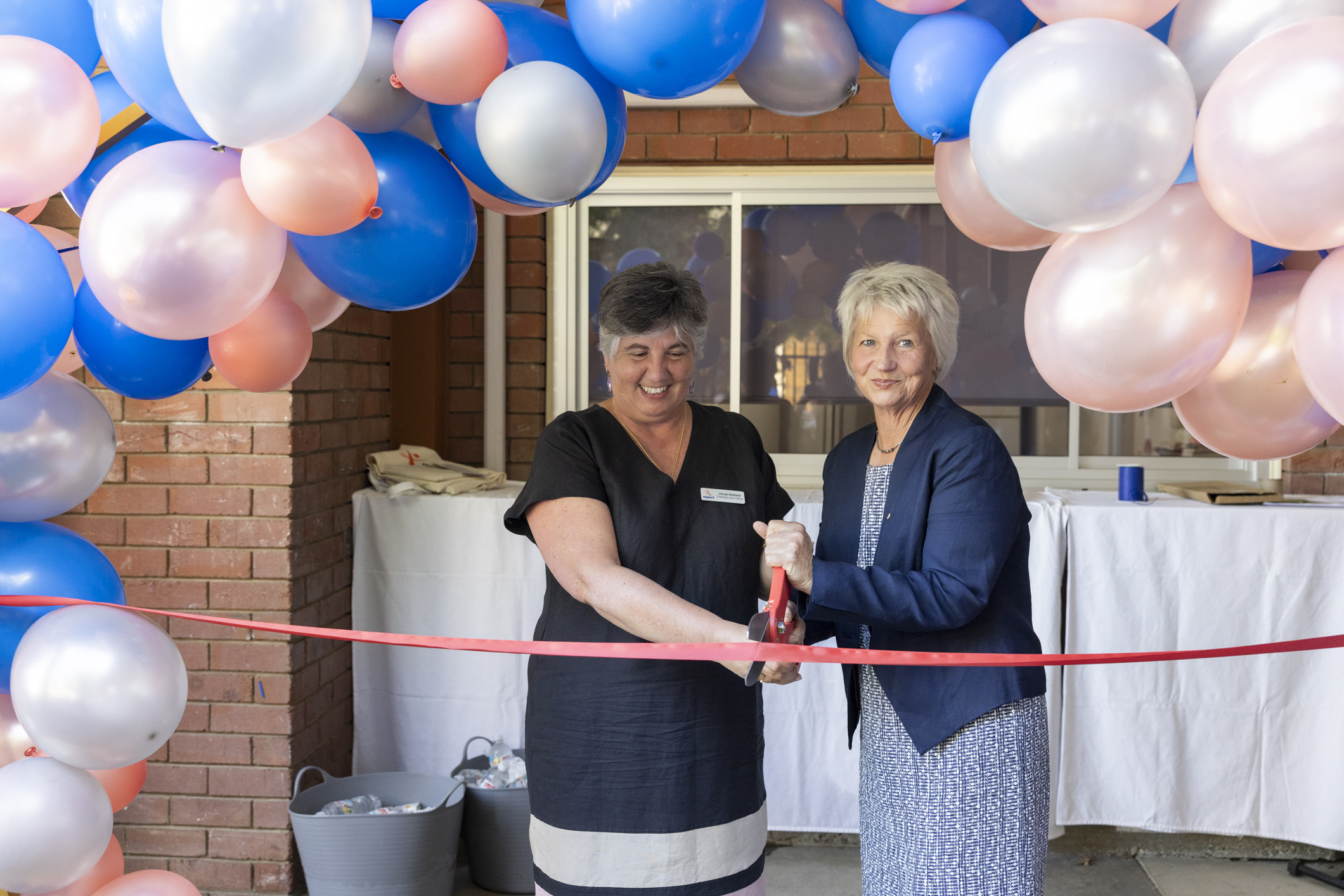
The opening of the Brewer Building was one of the proudest days of my life.
What makes it even more special is that those classrooms are where I went to school as a child. I could never have imagined that life would one day bring me back there with my name on the building.
But the real inspiration behind that honour is our son, Harrison. His experiences navigating seven different schools and the challenges our family faced inspired our determination to help create better opportunities for other children.
Whenever I visit Aspect Riverina School, or welcome students and staff to our farm, I feel such love and respect for all those who are giving these children a better start to life, and in doing so bringing some stability to their families. It is not easy work, but is life changing for everyone involved, and therefore it changes society and our world for the better.
It is a privilege for our family to continue being part of that journey with Aspect.
Judy Brewer AO is a long-time autism advocate and former inaugural Patron of Autism Spectrum Australia (Aspect). Following her son Harrison's autism diagnosis in 1996, Judy has spent nearly three decades supporting greater understanding, inclusion and opportunities for Autistic people and their families. Together with her late husband, the Hon. Tim Fischer AC, she has played an important role in championing Aspect's work and advancing autism awareness across Australia.