How did your connection with Aspect first begin, and what did it mean to you at the time?
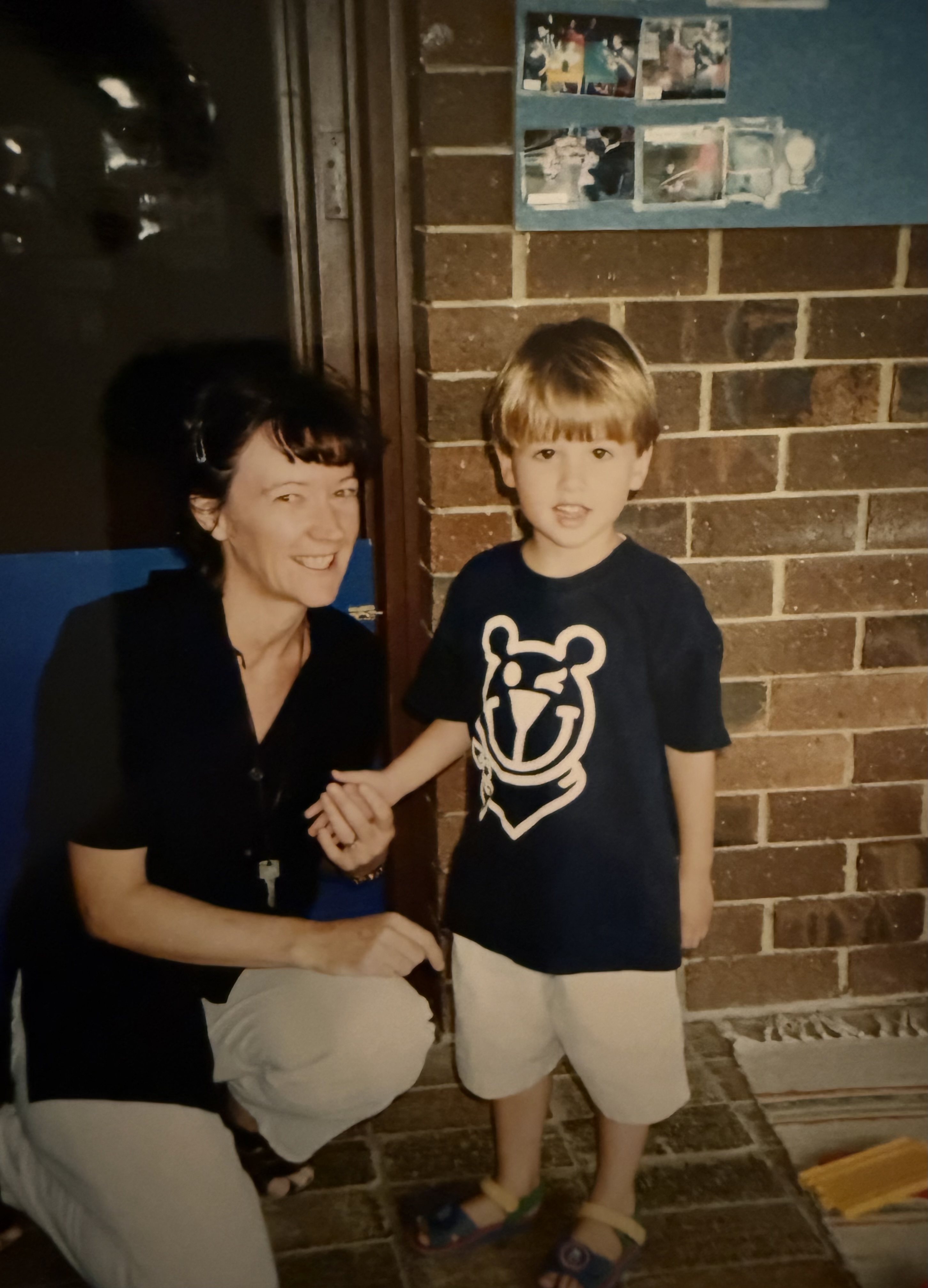
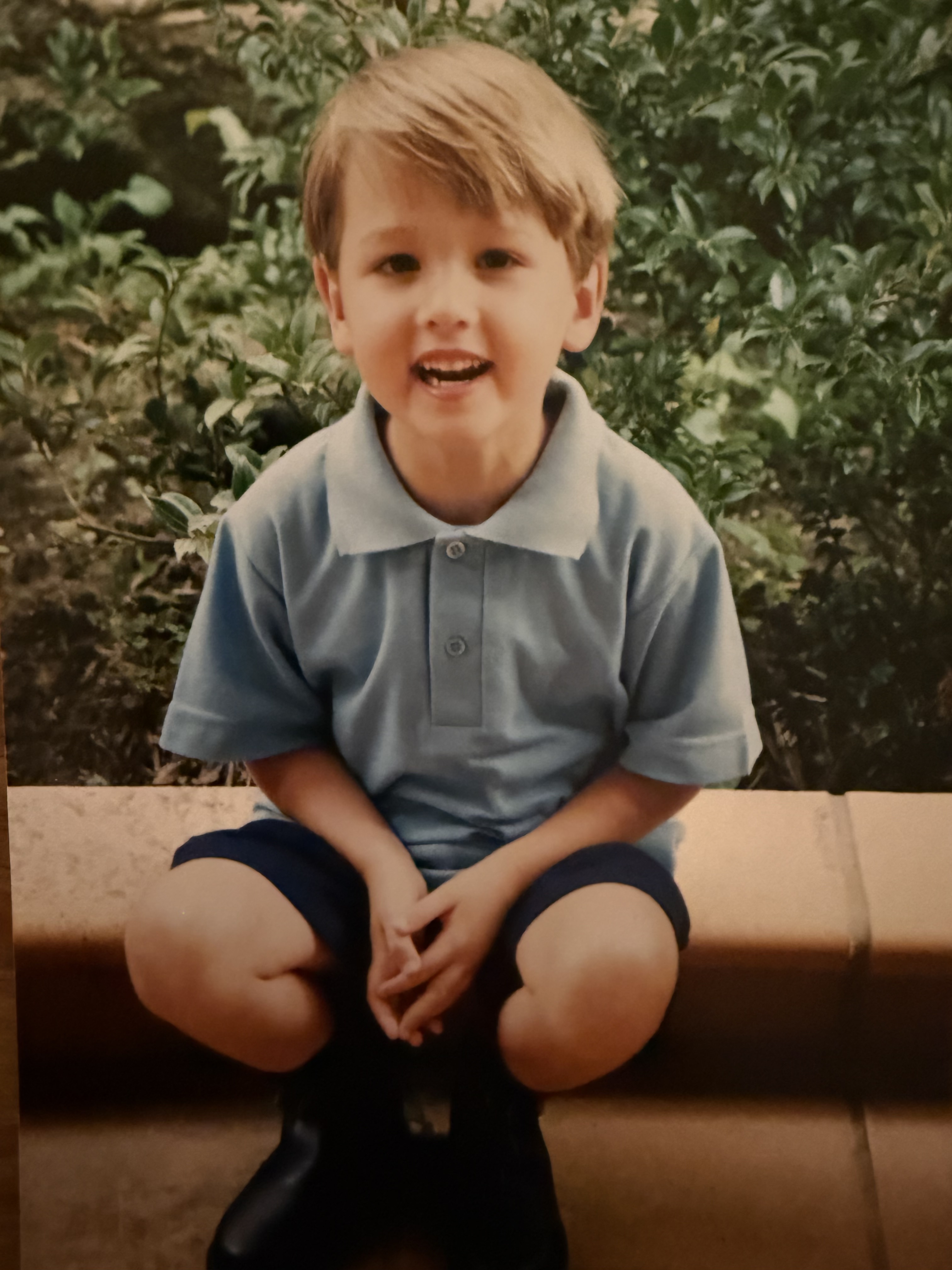
My connection with Aspect began nearly 30 years ago when our son Max, who is now 31, was diagnosed on the autism spectrum at just two years old. At the time, very little was understood about autism, and we had no idea what the future might look like.
We attended a meeting at Autism NSW in Frenchs Forest where six families shared their experiences. Their children were all different ages, and as we listened, we realised just how broad the autism spectrum really was. Some children were non-speaking, some had significant physical challenges and one family spoke about not having had any respite for five years.
It was a confronting experience. We realised that while our son certainly faced challenges, they were very different from those experienced by many of the other families in the room. We didn't need the same level of support, but we left that meeting knowing we wanted to help families who did. That experience ultimately led me to join the Board of Autism NSW and began a connection with Aspect that has continued ever since.
What is one memory or moment from your time with Aspect that has stayed with you over the years?
That very first meeting has never left me because it completely changed my understanding of autism and opened my eyes to the experiences of other families.
Another moment that stands out is when our son attended the Aspect Vern Barnett school. For the first time, we saw him genuinely learning, developing confidence and engaging with education in a way we hadn't thought possible. It was genuinely life-changing for him and for our family.
From your perspective, how has understanding of autism, and support for Autistic people, changed over time?
Thirty years ago, autism was a condition that very few people understood. There was little awareness, limited support and many misconceptions.
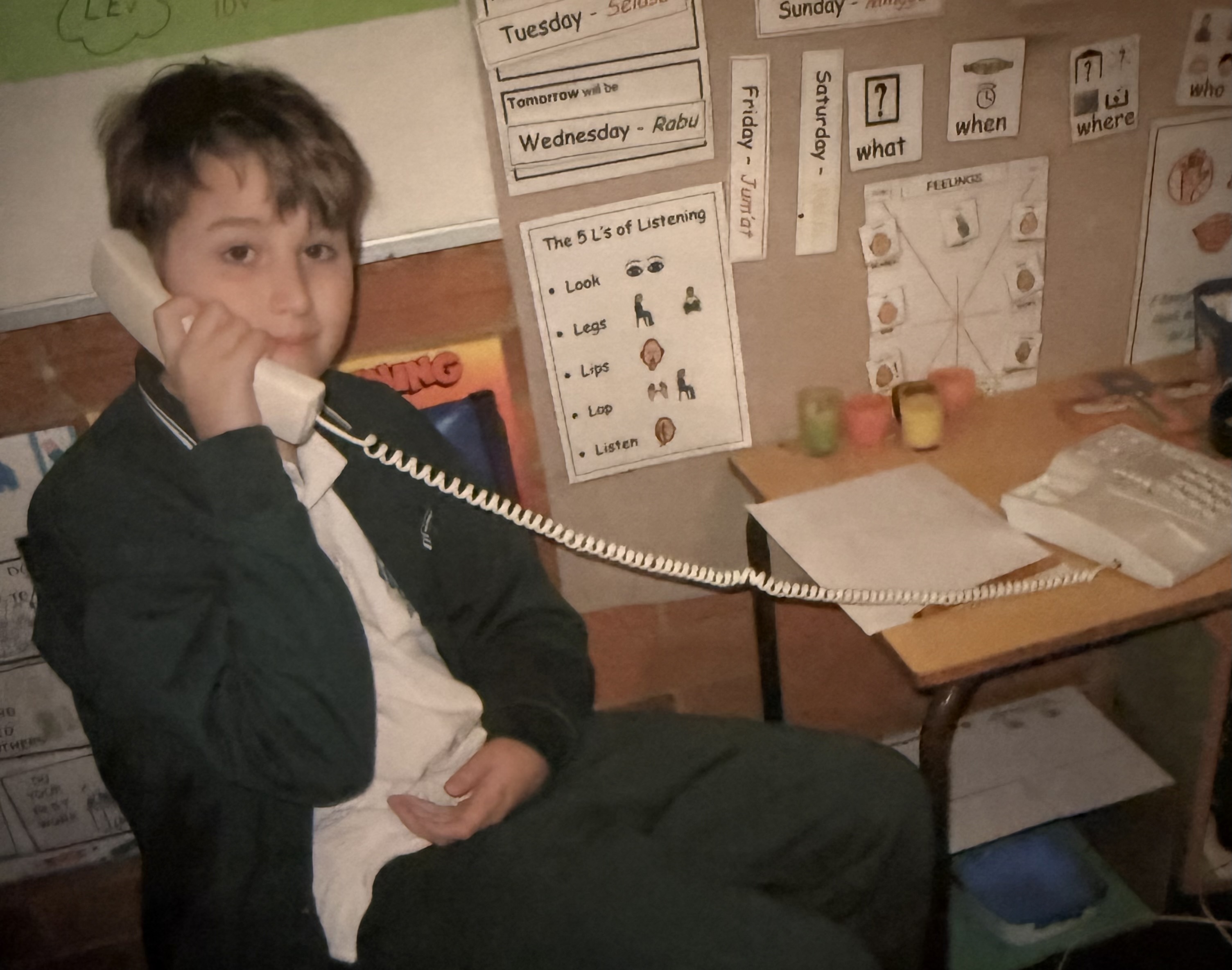
Thankfully, we've come a long way. Autism has become much more widely recognised and understood, and conversations are happening in schools, workplaces and communities that simply weren't taking place back then.
One thing I've noticed over the years is that when you have an Autistic child, you often recognise autism in other children almost immediately through their behaviours and reactions. You begin to understand the different ways autism presents. Interestingly, my son sees the world very differently, he simply assumes everyone is like him.
There is still more work to do, but awareness today is far greater than it was when our journey began.
What does inclusion for Autistic people mean to you personally, and how have you seen it take shape in your community or profession?
Inclusion means ensuring Autistic people have genuine opportunities to participate in every stage of life, not just while they are at school.
I've seen the enormous value of schools that not only provide the right educational support but also prepare students for what comes next through meaningful transition pathways into further education, employment and community life. Inclusion is about creating opportunities for people to thrive long after they leave the classroom. Max is now working five days a week in the community and we couldn’t be prouder.
Looking ahead, what would you love to see for the future of autism understanding and support in Australia?
I'd love to see understanding continue to grow.
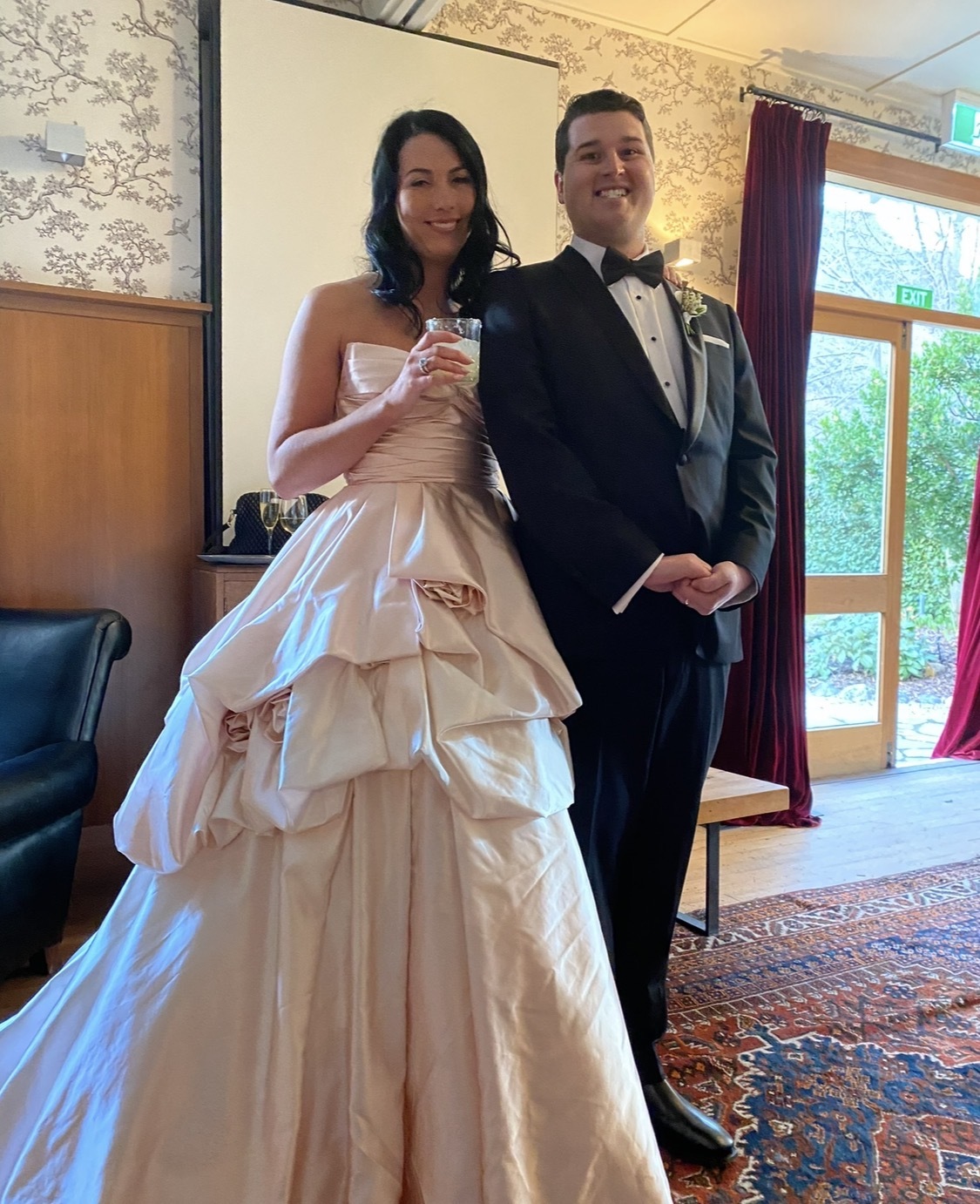
Many people are still uncertain or intimidated when they meet someone who is Autistic, particularly because Autistic people like Max often communicate exactly what they are thinking or seeing. Greater understanding helps remove that uncertainty and allows people to appreciate those differences rather than fear them.
I'd also like to see a greater appreciation that Autistic people are doing their very best every day. They may approach situations differently or have different capabilities, but that doesn't mean they aren't trying just as hard as everyone else.
The more people see autism and interact with Autistic people, the greater that understanding becomes. Organisations like Aspect, along with positive media representation, have played an important role in making autism more visible, and I hope that continues.
As both a parent and long-time supporter of Aspect, what has motivated your ongoing involvement and advocacy over the years?
What has always motivated me is seeing families who genuinely need support.
Whether it's helping provide respite for exhausted parents or funding equipment that allows someone to communicate with the people they love, those supports can completely change a family's quality of life.
Knowing there are families who need that help is what has kept me involved for so many years, and it's what will continue to motivate me into the future.
Over the past 60 years, Aspect has supported countless families and Autistic people. What do you think has made the organisation's impact so meaningful and enduring?
I don't think Aspect fully realises just how grateful families are for everything it does.
For decades, the organisation has stood beside families during some of the most challenging times in their lives. It has provided support, education, advocacy and hope when people often didn't know where else to turn.
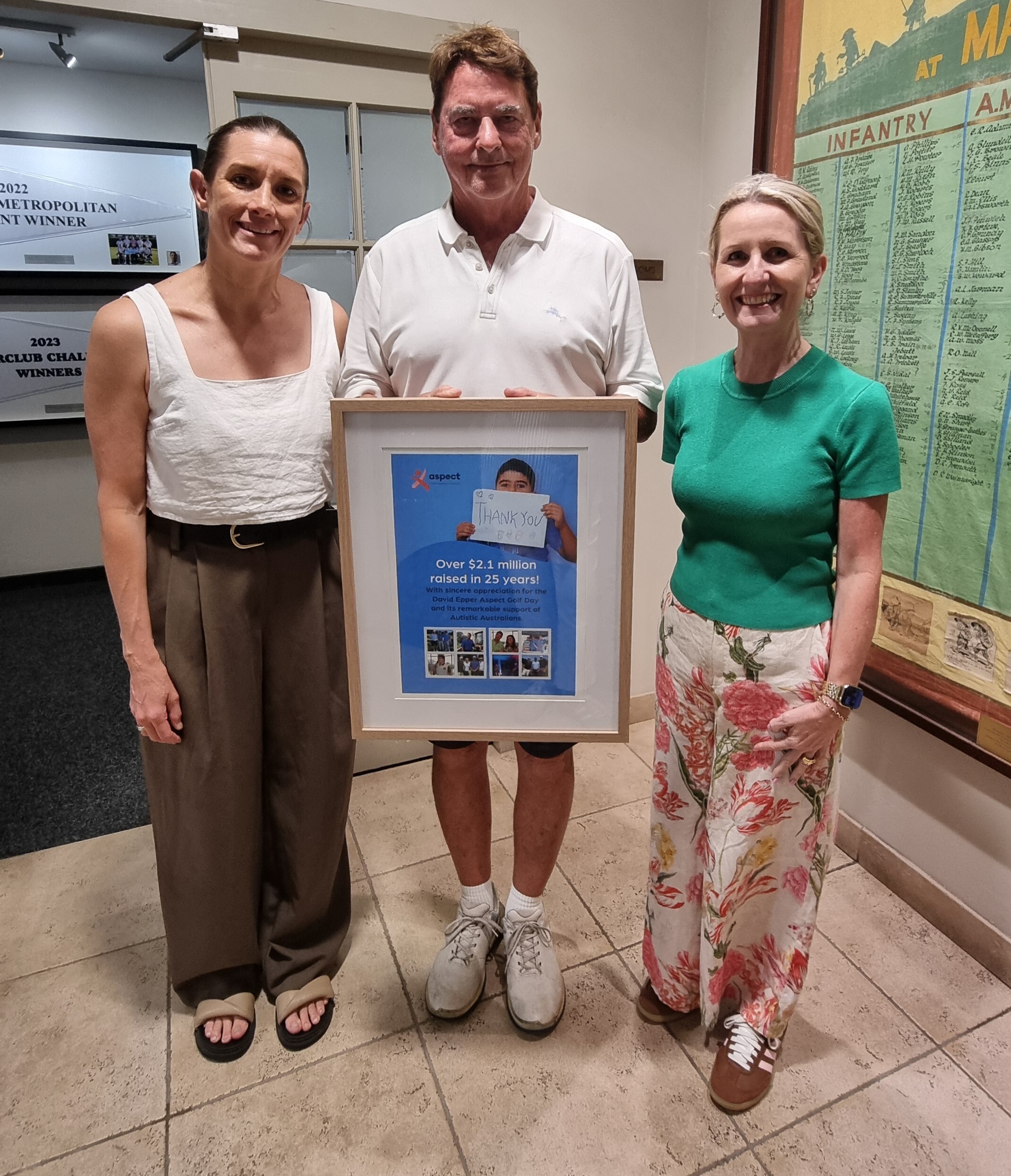
One thing that has always stood out to me is that nothing is ever too hard for Aspect. The organisation genuinely wants to find solutions and support families in whatever way it can, and I think that's why its impact has been so meaningful and enduring over the past 60 years.
David Epper OAM is an Australian business leader, entrepreneur and philanthropist. He has enjoyed a successful career in the insurance industry while dedicating many years to supporting the not-for-profit sector. A former Board member and Life Governor of Aspect, David has played a significant role in advancing the organisation's purpose. For the past 25 years, he has led Aspect's annual Celebrity Golf Day, helping raise more than $2.1 million to support Autistic people and their families.