

How did your connection with Aspect first begin, and what did it mean to you at the time?
My connection with Aspect began in 2000 when I was appointed CEO of what was then Autism NSW. After more than 25 years working across child and family services, it was an exciting opportunity to build on that experience in a new way.
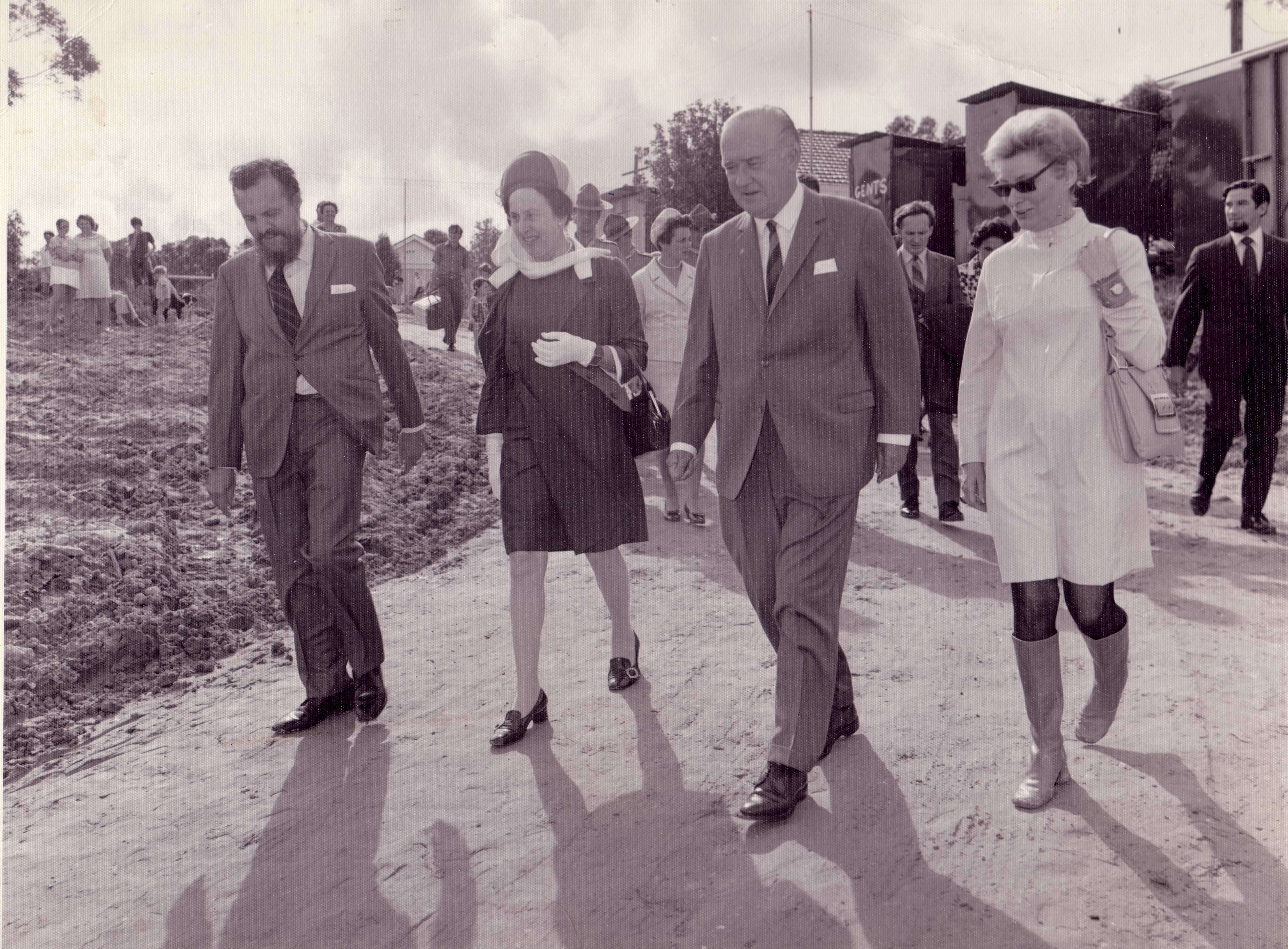
In fact, my connection to autism went back even further. As a young social worker at the Royal Alexandra Hospital for Children in Camperdown during the 1970s, I remember reading about Andrew Vern Barnett and his advocacy for children on the autism spectrum. Years later, joining the organisation he founded felt like a real privilege and an opportunity to help continue the important work he had begun.
What is one memory or moment from your time with Aspect that has stayed with you over the years?
One moment that stands out was celebrating Andrew Vern Barnett's 80th birthday in 2003. We brought together many of the people who had been involved in establishing the organisation back in 1966, reconnecting with Aspect's history in a very meaningful way.
Meeting Andrew was incredibly inspiring. Although he had been away from the organisation for many years, his passion and commitment to Autistic people never wavered. Learning directly from him and others who helped establish Aspect gave us renewed energy to tackle the challenges ahead.
Another proud moment came in 2006 when, at Aspect's 40th anniversary celebrations, Andrew was recognised for his extraordinary contribution to autism services in Australia. Seeing him honoured by the organisation he founded was something I'll always remember.
From your perspective, how has your understanding of autism, and support for Autistic people, changed over time?
The biggest change has been whose voices we listen to.
When I joined Autism NSW, the strongest voices were those of parents advocating for their children. Over time, that broadened to include siblings, and then, most importantly, Autistic children and adults themselves.
Listening directly to Autistic people fundamentally changed our understanding of autism. The conversation shifted from focusing primarily on intervention and support towards recognising strengths, capabilities and individual interests. That strengths-based approach brought new hope and energy to Autistic people, their families and the broader community.
You led Aspect for nearly two decades. How did the organisation change over that time, and what were some of the most important shifts you were proud to be part of?
One of the biggest milestones was the transition from Autism NSW to Autism Spectrum Australia (Aspect) in 2005.

The change reflected a broader national vision. It created opportunities to establish services beyond New South Wales, including the Aspect Treetop School in Adelaide, contribute to national initiatives such as Positive Partnerships, and strengthen collaboration with organisations across Australia and internationally.
I was also proud of Aspect's role in helping establish the Asia Pacific Autism Conference, creating opportunities to share knowledge and strengthen partnerships across the region.
During your time as CEO, society's understanding of autism changed significantly. Did this affect the way Aspect operated, and why was this shift important?
Absolutely.
As we learned more by listening directly to Autistic people, it became clear that their voices needed to be embedded within the organisation itself.
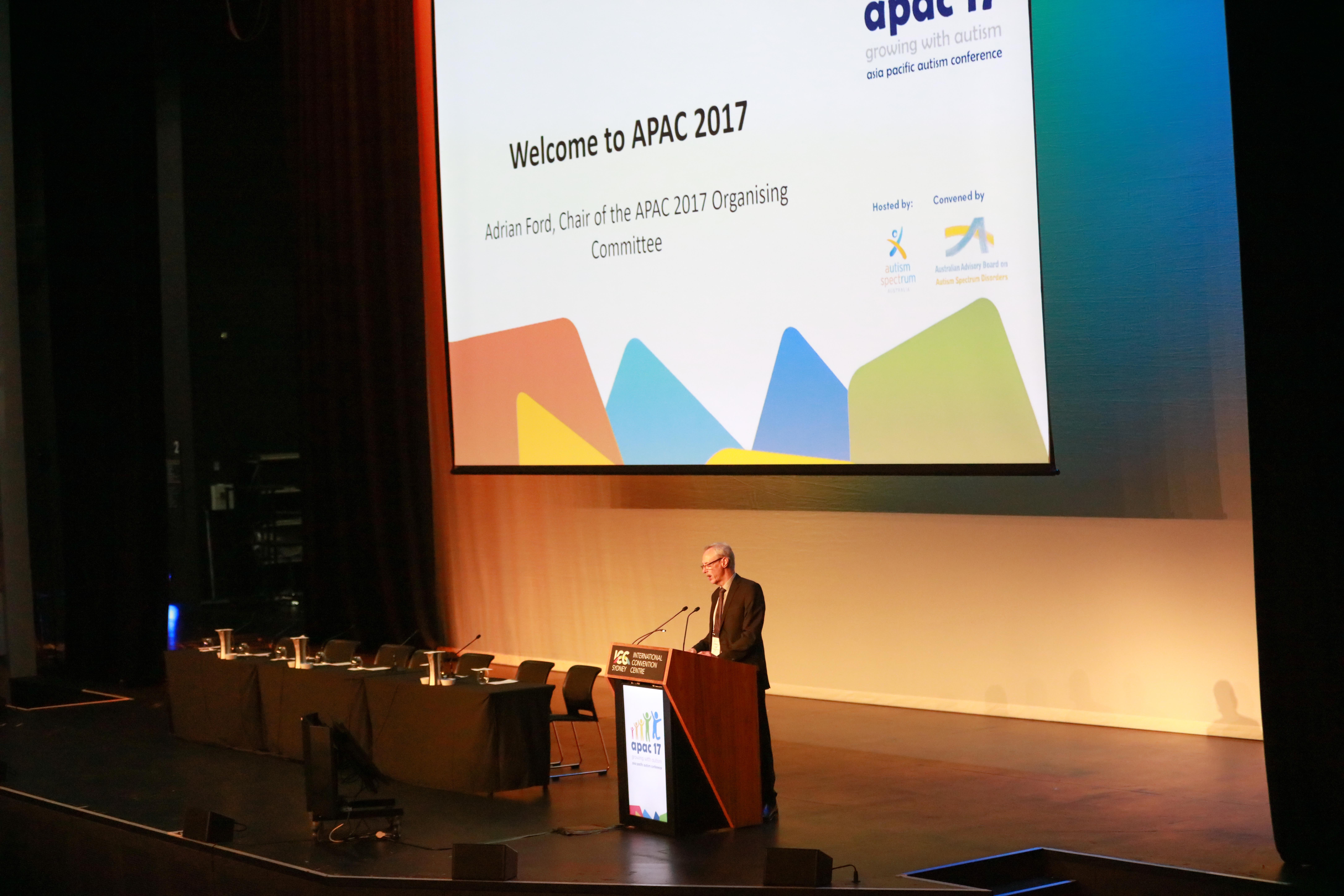
That led to the establishment of the Aspect Advisory Council in 2017, bringing Autistic adults into a formal advisory role to both Aspect's Executive and Board. I believe this was one of the most important developments in Aspect's history because it ensured lived experience helped shape the organisation's future.
Nationally, I was also pleased to be involved in establishing the Australian Autism Alliance, bringing together autistic-led advocacy organisations and service providers to create a stronger, more unified voice for autism across Australia.
Is there a moment with a person, family or staff member that changed the way you thought about the role Aspect plays?
Rather than one defining moment, it was the accumulation of countless conversations throughout my time at Aspect.
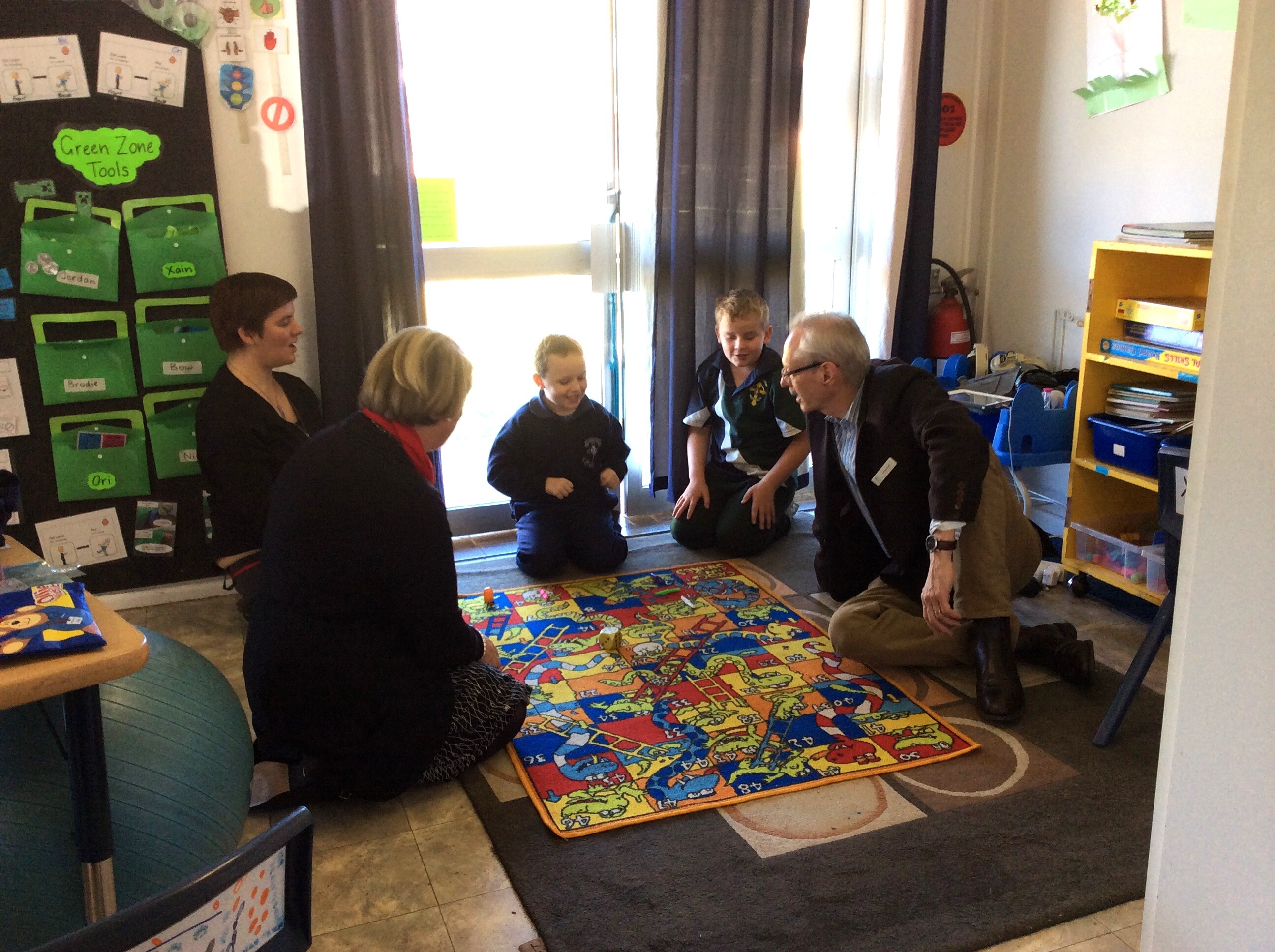
Every interaction with staff, Autistic children and adults, and family members challenged me to think differently about what Aspect could become and how it could continue to evolve.
That continual learning was one of the greatest privileges of leading the organisation. It reinforced that Aspect's role has never been static, it has always been about listening, learning and growing alongside the Autistic community.
Adrian Ford served as CEO of Aspect (Autism Spectrum Australia) from 2000 to 2019, leading the organisation through a period of significant growth and transformation. During his nearly two decades of leadership, Aspect expanded nationally, strengthened its education and support services, championed research and innovation, and embedded the voices of Autistic people into its governance and strategic direction. Adrian also played a key role in national autism advocacy, helping establish the Australian Autism Alliance and supporting the development of the Asia Pacific Autism Conference.