


When our son was growing up, getting a driver's licence wasn't something we imagined would be part of his future. In fact, we assumed that because he was Autistic, he wouldn't be able to get a licence. Then something changed. One of his classmates at a special school got his driver's licence. We realised that our assumptions may have been getting in the way. So we decided to explore what might be possible.
Starting with the Driver Knowledge Test
The first step was the Driver Knowledge Test (NSW).
For anyone who has been through it, you'll know there's a lot to learn. The handbook is extensive and covers road rules, signs and safe driving practices. It can feel overwhelming at first. Our son worked through the material at his own pace. What might take some people a few hours took us several days, and that was perfectly okay.
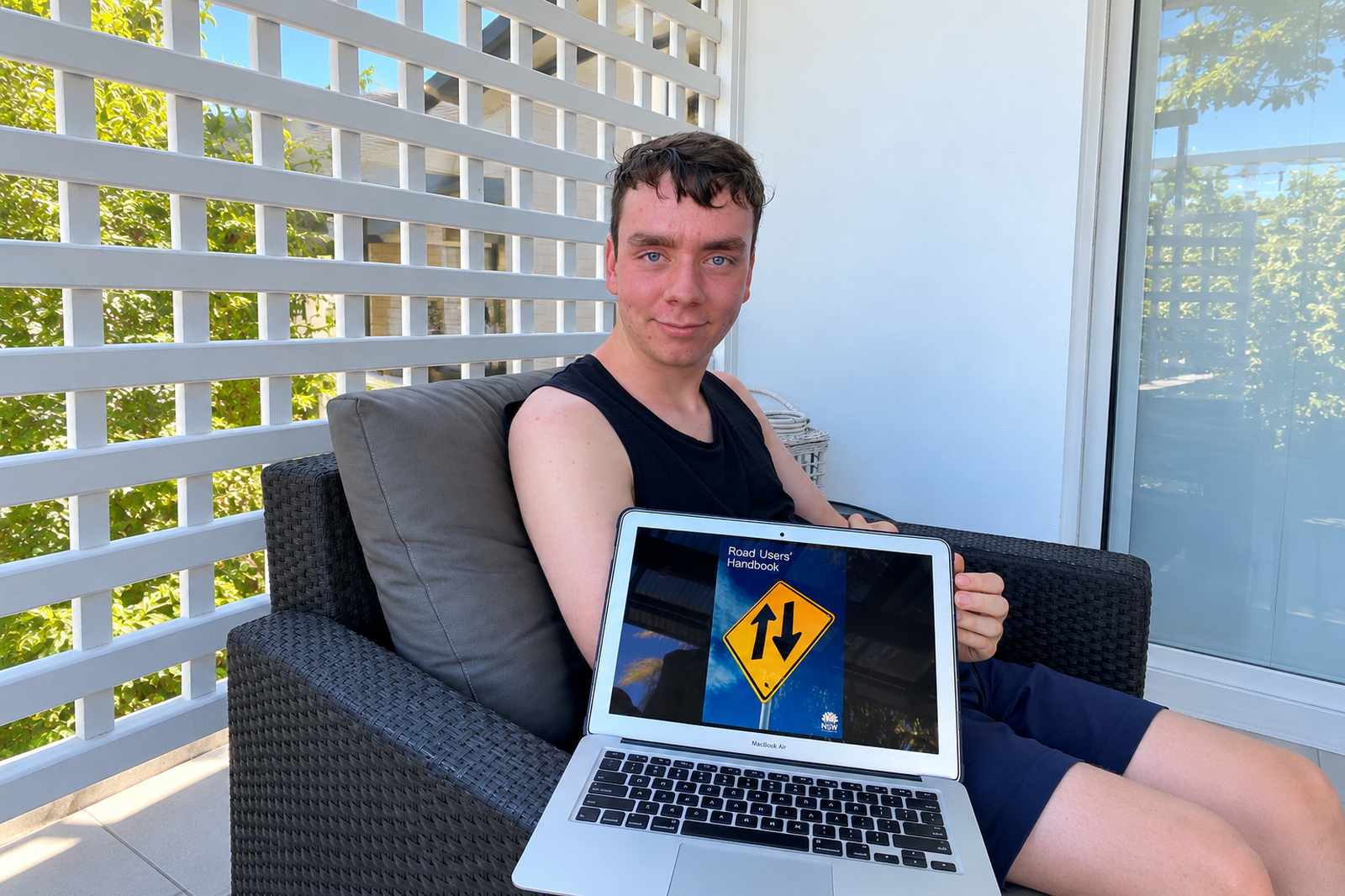
Once he'd finished reading the handbook, he moved on to the online practice tests. At first, he wasn't passing consistently. Rather than rushing ahead, we encouraged him to keep practising until he felt confident.
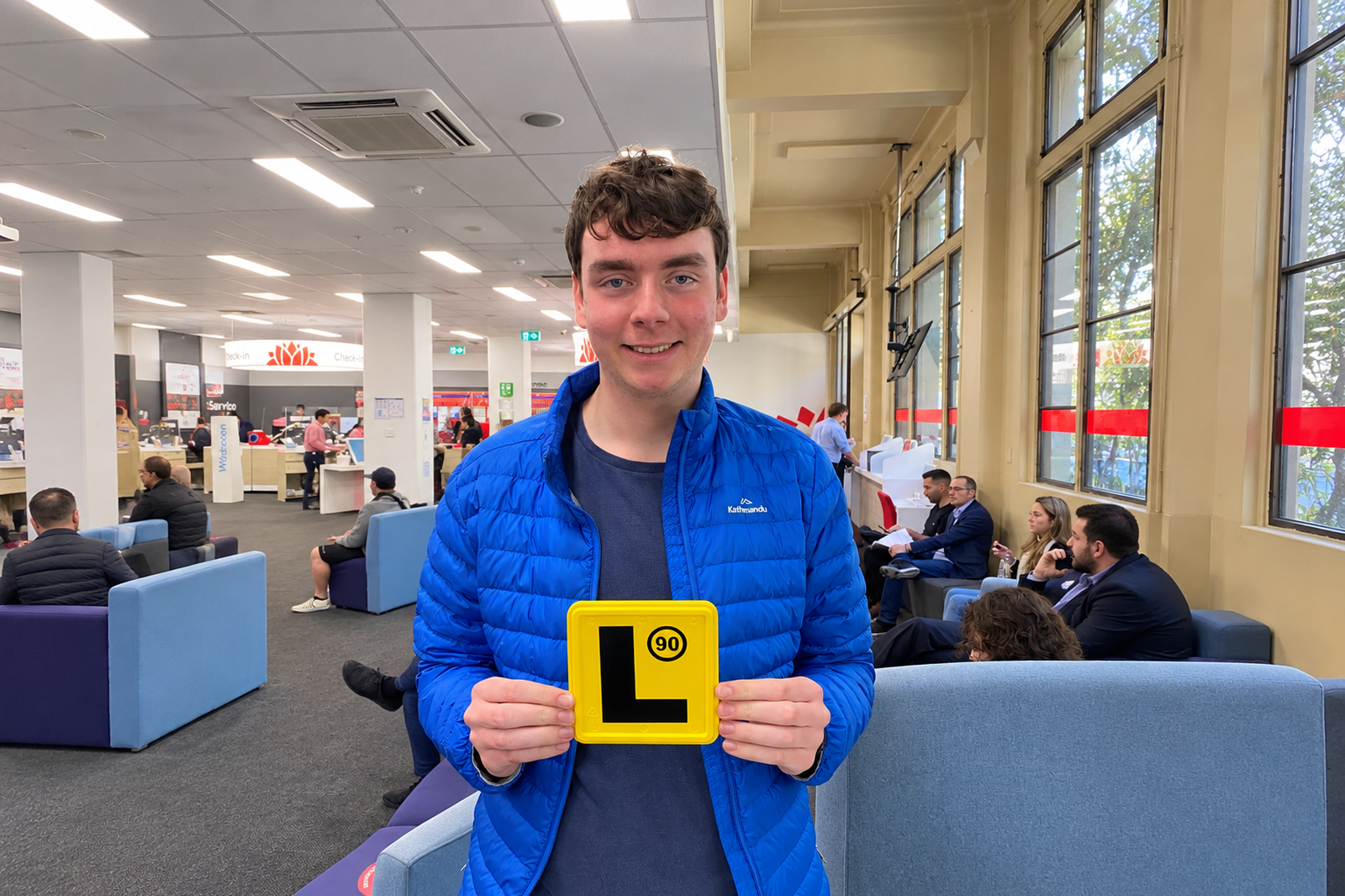
Eventually, we all felt he was ready. We headed to a Service NSW centre for the real test. Ten minutes later, he put his hand up. He hadn't passed. While he was disappointed, we weren't discouraged. We believe that learning often involves setbacks, and failing the first time didn't mean he couldn't succeed.
We went home, kept practising and continued building his confidence. He came up with a strategy of his own. Whenever he got a question wrong, he took a screenshot and created a collection of the questions he found difficult. He reviewed them regularly and focused his study on those areas. A few weeks later, he sat the test again. This time he passed. We were absolutely thrilled.
Before driving lessons: an occupational therapy assessment
Before starting driving lessons, we organised an occupational therapy driving assessment. We wanted professional advice about his readiness to drive and whether there were any areas where he might need additional support. The assessment provided reassurance. The occupational therapist concluded that he was capable of learning to drive and recommended a specialist driving school experienced in working with people with disability and additional needs.
This was one of the best decisions we made. The therapist also recommended that he complete 40 hours of lessons with a qualified instructor before we, as parents, became heavily involved in his driving practice. At the time, we were fortunate that our NDIS funding covered those lessons.
The value of a good driving instructor
If I could give one piece of advice to other families, it would be this: start with a professional driving instructor if you can. Driving instructors teach road rules, safety and driving techniques consistently and calmly. They don't bring the emotions that can sometimes come with a parent teaching their child to drive.
Our son had weekly lessons and gradually built his skills and confidence. After 40 hours, we arranged a second occupational therapy assessment. The therapist told us that our son was exactly where any learner driver would be expected to be at that stage of the process. His autism was not preventing him from learning to drive.
Completing the required hours
In NSW, learner drivers need to complete 120 logbook hours, including experience in different driving conditions. Driving became part of everyday life. He practised during the day, at night, in the rain and on major roads. Over time, those hours added up. So did his confidence.
One extra step
There was one additional requirement because of his autism diagnosis. When applying, we disclosed his diagnosis and were asked to provide a letter from his doctor confirming that he was fit to drive. This was a straightforward process, but it's worth knowing about if you're supporting an Autistic young person through the licensing journey.
The driving test
When his hours were complete, we booked the driving test. Before the test, we arranged one final lesson with his driving instructor. This turned out to be incredibly valuable. Driving instructors understand exactly what assessors are looking for and can help learner drivers prepare for the format and expectations of the test.
Then came test day. Unfortunately, he didn't pass. The examiner explained that he had driven quite well overall but had made one mistake that created a safety risk.
Interestingly, his brother and sister were delighted. Neither of them had passed their driving test on the first attempt either, so they enjoyed reminding him that he was following in their footsteps! While it was disappointing, it wasn't unusual.
We reminded him how far he had already come and encouraged him to keep going. He continued practising, learned from his mistake and booked another test. A month later, he passed. And just like that, he had his P-plates.
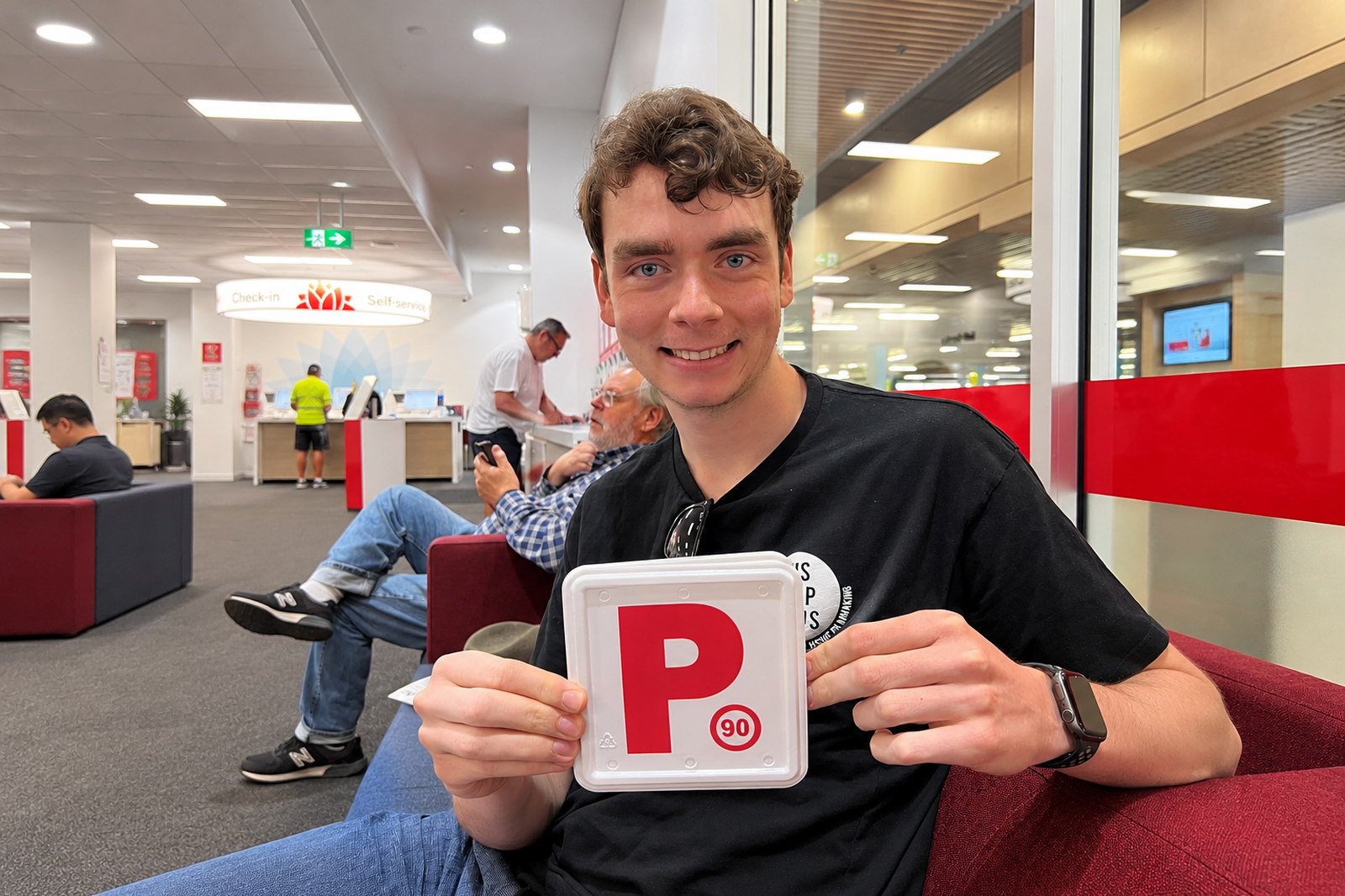
Five years later
Today, more than five years later, our son is a confident driver. He drives independently, has a job and even saved enough money to buy his own car. Watching him drive away for the first time was about far more than transportation. It represented freedom, confidence and another step towards independence.
Most importantly, it reminded us of something we've learned many times as parents. Never let assumptions define what is possible. Every Autistic person is different. Driving may not be the right pathway for everyone, and that's okay. But if an Autistic young person is interested in driving, don't assume they can't. With the right support, patience, professional guidance and plenty of practise, they may surprise you.
Final thoughts
One of the strongest lessons from this experience was that autism does not automatically determine what someone can or cannot achieve. Sometimes the biggest barriers are the assumptions we make before giving someone the opportunity to try.
For our family, getting a driver's licence wasn't just about learning to drive. It was about discovering what was possible when we focused on strengths, perseverance and potential. And that has made all the difference.