



Like many parents, I worried about what adulthood would look like for my Autistic son. Would he find meaningful work? Would an employer see his strengths? Would he feel confident and capable in a workplace? Looking back now, I realise there was no single moment that led to employment. Instead, it was a journey made up of many small steps, different experiences, some trial and error, and a lot of learning along the way.
Starting early
Our son's journey towards employment really began in high school. One of the things we were grateful for was how focused his school was on preparing students for life after school. During Years 11 and 12, students were encouraged to undertake work experience placements with different organisations and employers.
Through these opportunities, our son gained experience in a variety of workplaces, including Woolworths, Taronga Zoo and Canon. These placements gave him a chance to experience different types of work, understand workplace expectations and begin developing important employment skills.
Learning through experience
When school finished, we knew it was important for our son to keep building his skills and confidence.

One of his interests at the time was film and media, so he joined Bus Stop Films, an organisation that provides inclusive training opportunities in the film industry. The program focused on behind-the-scenes skills such as camera work and production. While he enjoyed learning new things and meeting people, he soon discovered that his interests lay elsewhere.
Although that particular pathway didn't lead to employment, it was an important lesson. Sometimes trying something helps you discover what you don't want to do, and that's just as valuable as discovering what you do.
Finding the right environment
One of the most influential experiences in our employment journey was with an organisation called Jigsaw. Their philosophy was simple but powerful: learn about employment through employment. Participants completed meaningful work for real businesses while developing workplace skills such as meeting deadlines, participating in team meetings, managing tasks and working towards goals.
For our son, this environment was incredibly valuable. He wasn't learning workplace skills in a classroom. He was learning them in an actual workplace. Through Jigsaw, he was also able to undertake work experience placements in different settings, including Harris Farm and St Vincent's Hospital. These experiences helped us better understand what suited him and what didn't.
Many of the roles involved customer interaction. While he was capable of completing the work, we noticed that the parts he enjoyed most were the task-based activities. At Harris Farm, for example, he loved stocking shelves and moving products from the storeroom to the shop floor. He took pride in completing tasks and seeing the results of his work. What he enjoyed less were the customer-facing aspects of the role. Being interrupted while focused on a task to answer questions from customers was something he found difficult.
These experiences helped us understand an important truth: success isn't simply about whether someone can do a job. It's also about whether the job aligns with their strengths and preferences.
Understanding strengths
Before finding the right opportunity, we needed to better understand our son's strengths. We completed an assessment through My Way Employability, a tool that helps identify strengths, interests and capabilities. It reinforced something we had begun to observe ourselves.

We then met with a career adviser who took the time to explore his interests, skills and previous experiences. Two things stood out:
- The first was his success with woodworking at school. He had studied it all the way through to Year 12 and had performed strongly in a mainstream class.
- The second was his passion for Lego.
As we talked through these interests, a possible career pathway emerged: cabinet making.
The opportunity that changed everything
Sometimes the right opportunity appears when you least expect it. A few years earlier, we had cabinetry installed in our home. The company, Fox Wardrobes and Cabinetry, later sent an email to customers mentioning that they were looking for apprentices.
Together, we helped our son put together a portfolio showcasing the woodworking projects he had completed at school. We updated his resume with his work experience and employment program participation. Most importantly, we attended the interview with him, helping him communicate his skills and experiences.
The meeting went well. He was offered an apprenticeship. The rest, as they say, is history.
Building success through support
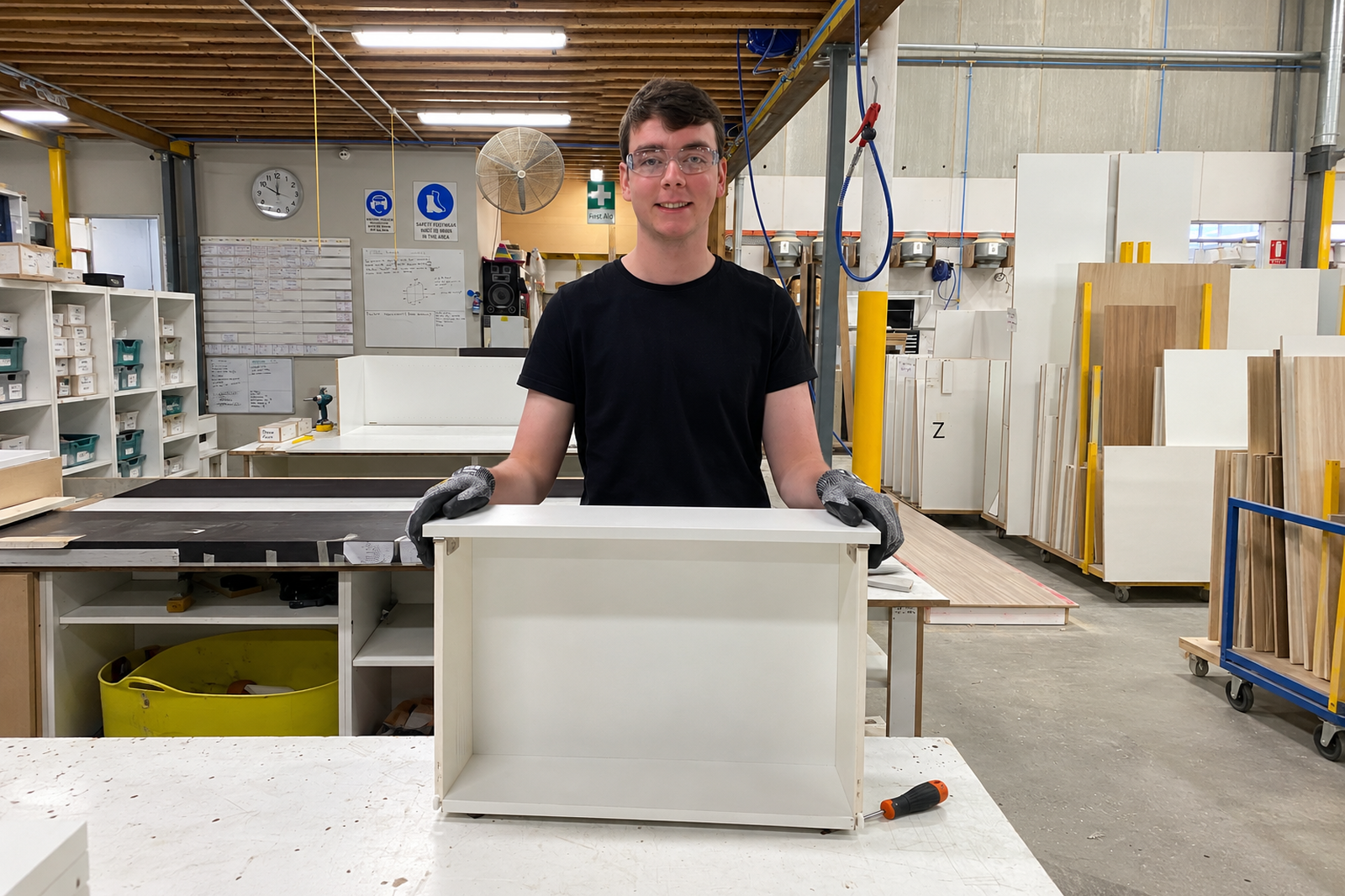
Today, our son is completing the final stages of his cabinet making apprenticeship and working in an industry that genuinely suits his strengths. It hasn't always been easy. One unexpected challenge was the theory component of the apprenticeship. Much of the TAFE coursework was delivered online and required significant reading and comprehension. We knew this would be difficult for him, so we arranged for a support worker to sit alongside him and assist with understanding the course content.
That support made all the difference. He has now completed all of the theory modules and is finishing the final practical requirements of his apprenticeship. We expect him to complete the qualification in the coming months.
Working together
One of the most valuable supports we have put in place has been ongoing involvement from an occupational therapist. Every few months, the occupational therapist visits the workplace and talks with everyone involved.
She spends time with our son discussing his responsibilities, identifying any challenges and understanding how he completes his daily tasks. She also speaks with supervisors and colleagues, providing an opportunity for everyone to ask questions, share observations and work through any barriers together.
This collaborative approach has been incredibly positive. His workplace has continued to build its understanding of autism, while our son has received practical strategies that help him succeed. The reality is that he learns best by doing. Once a task has been demonstrated and practised a few times, he becomes highly capable and independent. Often the adjustments required are small, such as visual reminders, clear instructions or allowing time to become familiar with a process. These are simple accommodations, but they have had a significant impact.
Looking back
When people ask us how our son found employment, I often think about all the experiences that came before the apprenticeship:
- The work experience placements.
- The film program.
- The employment training.
- The career advice.
- The workplace trials.
Each step taught us something valuable. Most importantly, we learned that employment success starts with understanding strengths, not limitations. When we focused on what our son enjoyed, what he was naturally good at and how he learned best, the right pathway became clearer.
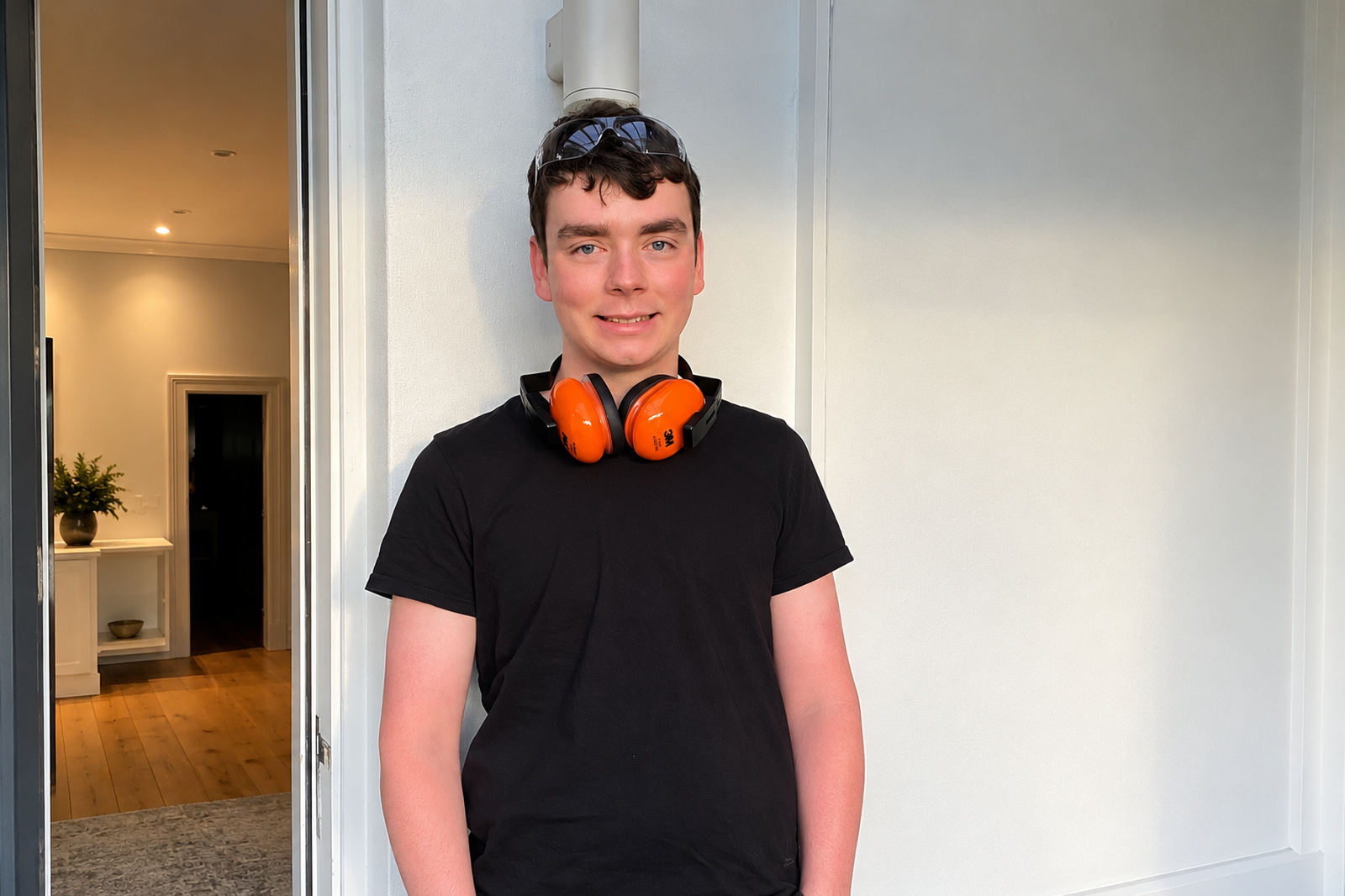
Today, watching him build a career in cabinet making, work alongside his colleagues and steadily progress towards completing his apprenticeship has been incredibly rewarding. His journey reminds us that employment isn't just about getting a job. It's about finding the right fit, having the right supports in place, and giving people the opportunity to show what they can do.