


    Back to post-school options

    Volunteering

    Volunteering

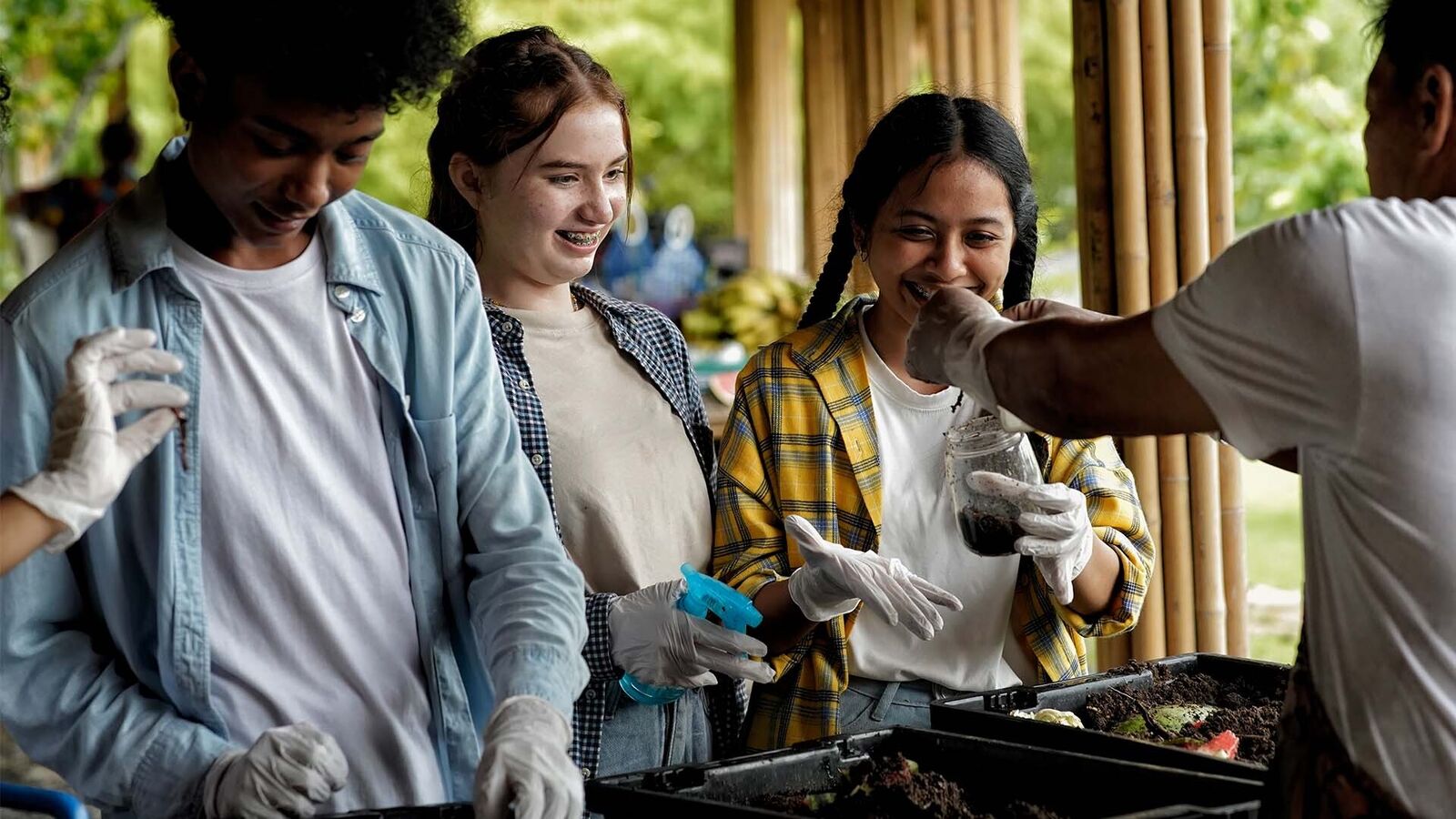
    Volunteering is unpaid work you can choose to do with an organisation to help people, animals or a cause.

    Volunteer roles are often with places like charities, libraries, animal shelters, museums or community groups. 

    I usually apply by filling out a short form or sending an email about your interest and availability. 


    Volunteering involves real responsibilities, like arriving on time and following rules.  

    It’s okay to ask questions, request adjustments and stop if the role is not right for you. 

    Work experience

    Work experience

    Work experience lets you try a workplace for a short time. It may be paid or unpaid, and its main purpose is learning what work is like and whether a job suits you.

    Some Autistic people use work experience to understand adult workplaces, communication, and tasks, and to learn what they enjoy or find challenging.

    Work experience can be organised through schools, TAFE, universities, support services or by contacting a workplace directly. You can usually apply by filling out a form or sending an email. 

    Work experience involves following workplace rules and taking instructions from a supervisor.  

    It’s okay to ask questions, request written instructions or adjustments, and decide if a role is not right for you. 

    Other pathways

    Other pathways

    Some people take time to rest, build skills, or focus on health and wellbeing.

    A gap year is a planned break from work or study. During this time, people might rest, work casually, volunteer, focus on health, practise daily living skills or travel. It helps to make a simple plan and review it over time. 

    The Disability Support Pension provides financial support if disability makes work difficult. It can reduce pressure and provide stability. You usually apply through Services Australia with support and medical evidence. Some people also do part‑time work, volunteering or study. You need to be ready to apply, and this will include having identity documents and documents relating to your disability ready.

    You may join supported programs, work‑readiness courses, or community programs. 

    Reflection 4

    Reflection

    As you reflect on what you've learned, think about the ideas or skills you'd like to explore further. You might like to write down the prompts that are most relevant to you, record your thoughts in your phone, or use any method that works best for you. These notes can become part of your personal planning and help you decide what you'd like to focus on next. 


    icon for  


    Explore volunteering options

    icon for  


    Apply for a volunteer role

    icon for  


    Understand volunteer responsibilities and supports

    icon for  


    Explore work experience options

    icon for  


    Apply and prepare for work experience

    icon for  


    Review what I learn from volunteering or work experience

    icon for  


    Create a plan for other pathways, like taking a gap year

    icon for  


    Apply for supports, like the Disability Support Pension

    Back to modules
    Listen