    Back to knowing myself

    Module 1 Screen 6 my autistic identity

    My Autistic identity

    Autistic identity is about how you see yourself as an Autistic person. This can include how autism shapes your thinking, experiences, strengths and challenges.

    Some Autistic adults feel proud of being Autistic. Others may still be learning what autism means for them, or may have mixed feelings.

    All of these experiences are valid and Autistic identity can change over time. It may be influenced by:

    • learning more about autism  
    • connecting with other Autistic people  
    • reflecting on past experiences  
    • understanding yourself better. 
    icon for Tips

    Tips

    Researchers have found that Autistic people often feel joy, relief and freedom when they are diagnosed and begin to understand their Autistic identity.

    Many Autistic adults find that learning from Autistic-led resources and communities supports a more positive and affirming understanding of themselves:

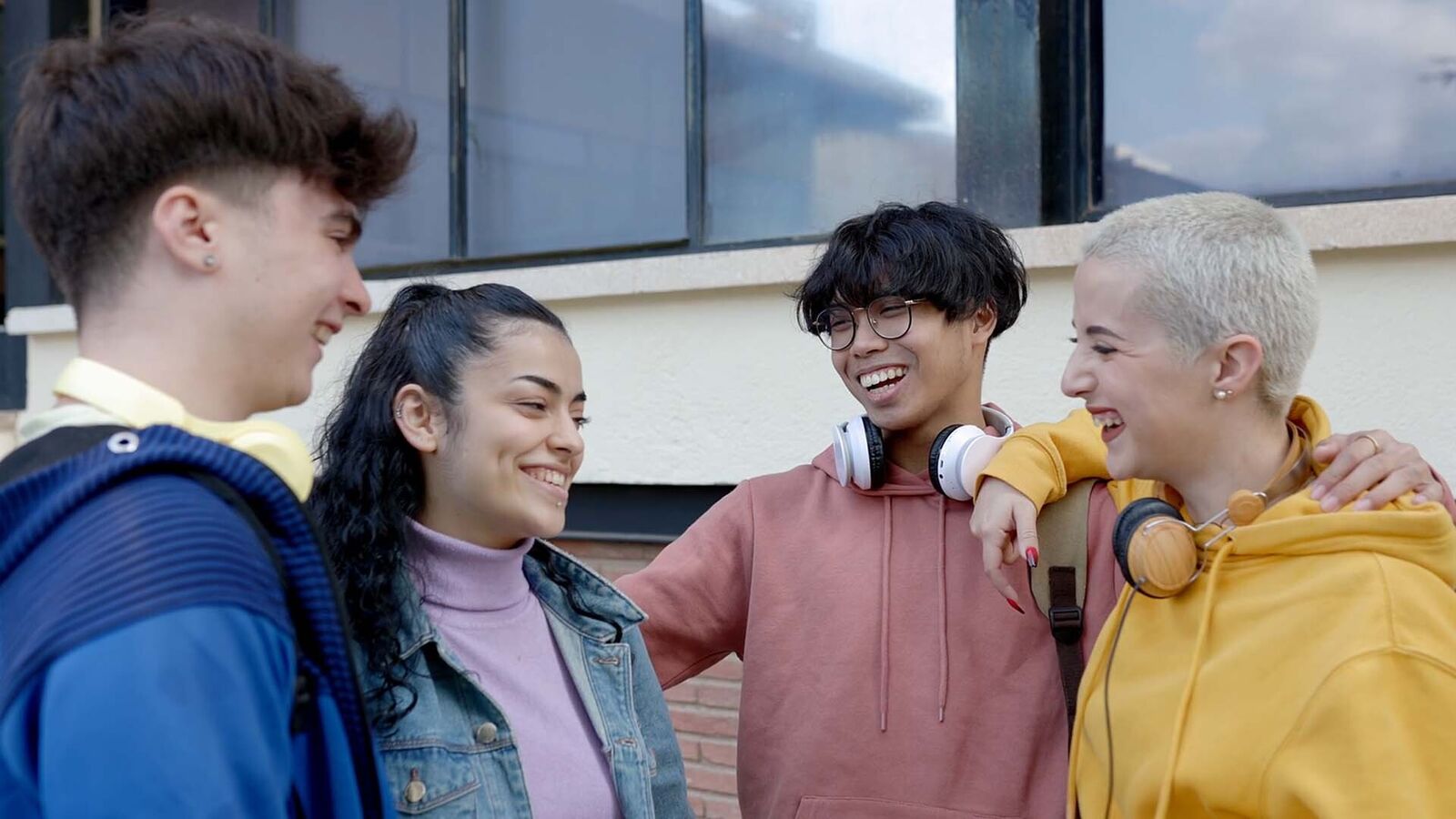
    Masking

    Masking is when an Autistic person hides or changes parts of themselves to fit social expectations. This can include copying social behaviours, suppressing stims or pushing through sensory discomfort  

    Many Autistic people mask to stay safe, avoid judgement, or meet expectations at school, work or in relationships.  

    Some Autistic people mask by suppressing their stims. In fact, some say that this is the worst type of masking: "‘The worst part is not being able to stim when I need to".

    Masking can be useful in the short term, but is often exhausting over time and ongoing masking is linked to stress, burnout and reduced self-esteem  

    Understanding masking can help you make choices about when to mask and where it feels safer to be authentic. 
    Masking

    Telling people I'm Autistic

    Some people consider autism as an identity. Some people consider it to be a disability. Some people think it is both!  

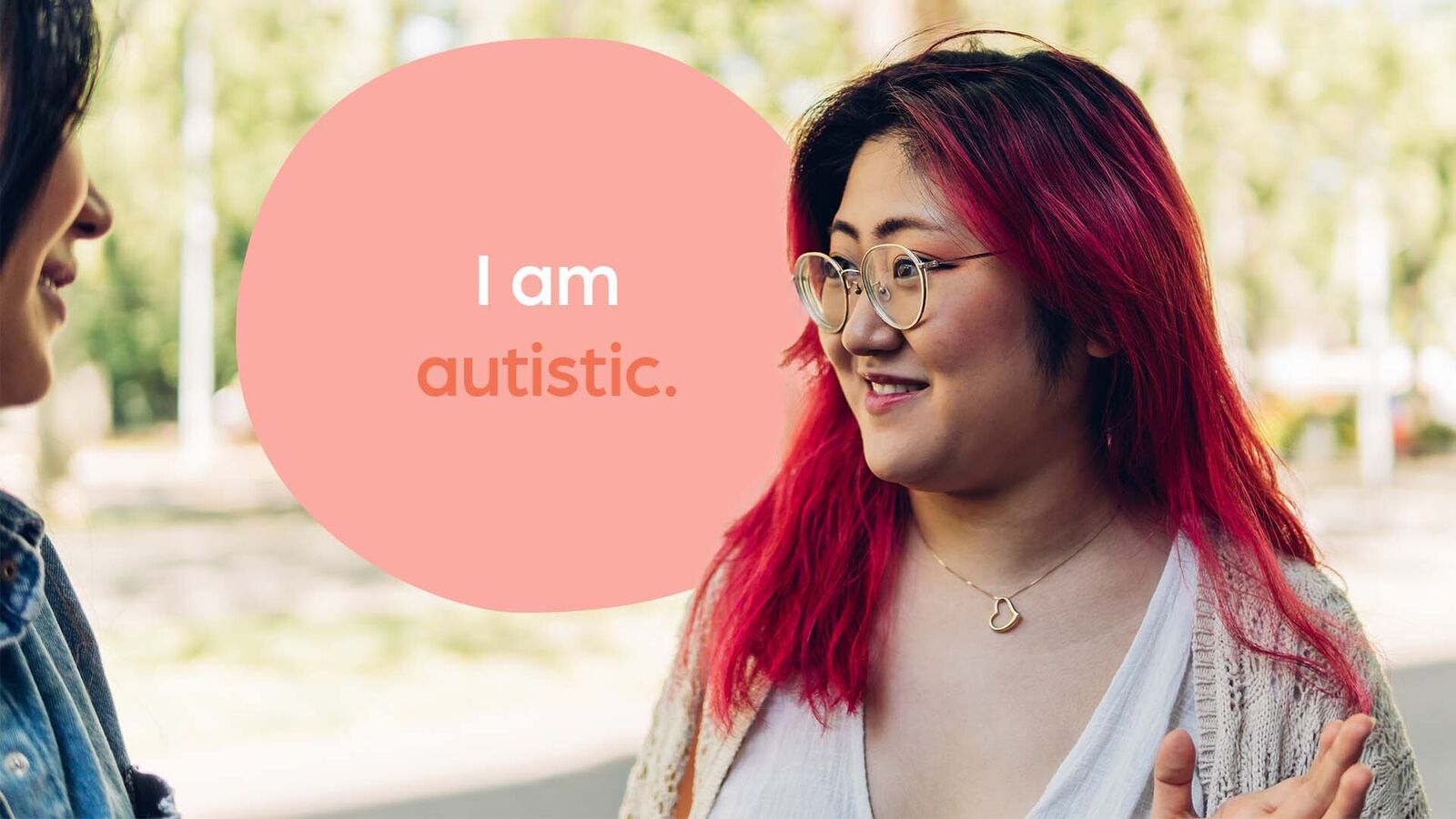
    If you choose to tell someone you are Autistic, this is called disclosure.

    Some Autistic adults choose to tell other people that they are Autistic. Other Autistic adults choose not to, or only tell certain people.

    Deciding whether to tell someone you are Autistic is a personal choice. There is no right or wrong decision. 

    icon for Tips

    Tips

    These disclosure guides help you think through that decision (an Easy-English version)  
    I am Autistic

    Where do I fit in society?

    Autistic adults often receive messages that society is not built with them in mind and this can affect feelings of belonging, confidence and self-worth.

    Feeling like you “fit in” does not mean changing who you are. It can mean finding environments, roles, and communities where you feel accepted and valued. 

    icon for Tips

    Tips

    You might find belonging in different ways, including:

    • Autistic communities and peer groups  
    • advocacy or interest-based groups  
    • workplaces or study environments that value diversity  
    • online spaces that feel safe and affirming.

    Remember, belonging can look different for each person, and it may change across life stages. 

    Artboard 29

    Reflection

    As you reflect on what you've learned, think about the ideas or skills you'd like to explore further. You might like to write down the prompts that are most relevant to you, record your thoughts on your phone, or use any method that works best for you. These notes can become part of your personal planning and help you decide what you'd like to focus on next. 

    icon for ​ 

    ​ 

    Think about whether, when, and how I want to tell people I am Autistic 

    icon for ​ 

    ​ 

    Practise explaining my autism to others in a way that feels right for me  

    icon for ​ 

    ​ 

    Learn more about Autistic identity and what it means to me  

    icon for ​ 

    ​ 

    Explore Autistic-led resources and communities    

    icon for ​ 

    ​ 

    Reflect on how autism shapes my strengths and challenges 

    icon for ​ 

    ​ 

    Identify places or groups where I feel a sense of belonging  

    icon for ​ 

    ​ 

    Seek support to build confidence and self-advocacy skills 

    Back to modules
    Listen