
 Saved resources
Research study
A Qualitative Exploration into the Sensory Experiences of Autistic Mothers by Moyna Catherine Talcer, Orla Duffy, Katy Pedlow (2021).
What is the study about?
This study looks at the sensory experiences of Autistic mothers, like how they react to things they touch, see, and hear during different stages of being a parent. Researchers interviewed seven Autistic mothers to learn how these sensory challenges affected their role as mums. The study also shared helpful tips these mothers used to handle these sensory challenges.
Why is it important?
Parenting is hard for everyone, and being very sensitive to sounds, sights, and touch can make it even harder. Hearing about what other Autistic mothers have gone through can help you get ready for being a parent, or make you feel understood if you’re already facing these challenges. Learning what has helped other Autistic parents can also give you ideas to make your own experience easier.
Who participated?
The study included seven Autistic mothers from the UK. To join, each person had to have an autism diagnosis from a professional, identify as female, speak English, be over 18, live in the UK, and live with their child.
What did the researchers do?
Researchers interviewed the participants to learn more about their sensory experiences. They looked closely at the interviews to find common experiences and themes shared by the mothers.
What did they find?
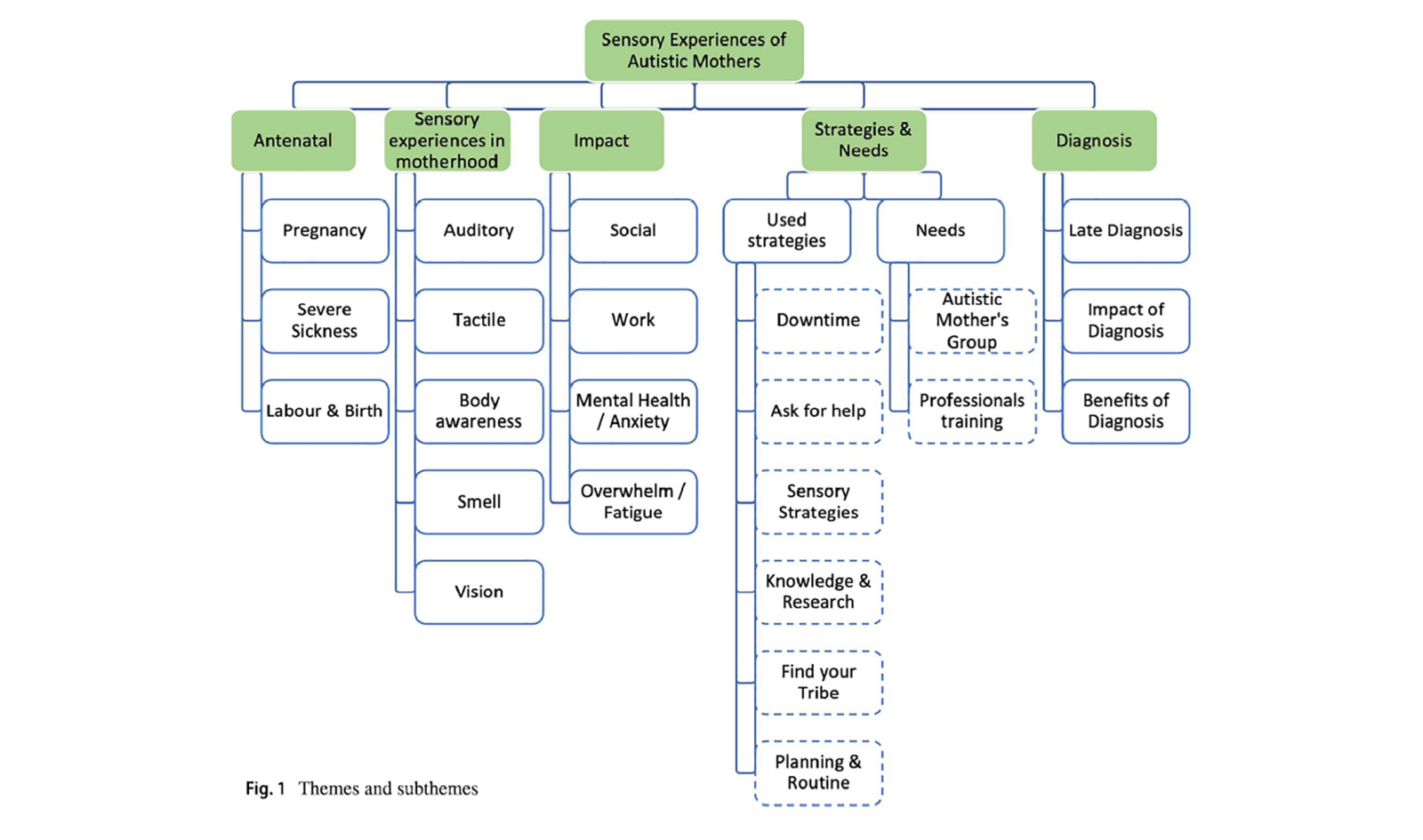
The mothers in the study talked about big sensory challenges during pregnancy and being a parent. These challenges affected their relationships, work, mental health, and often made them feel tired and overwhelmed. The mothers shared several ways to manage these challenges, like taking breaks, asking for help, reducing sensory overload, learning more about sensory needs, connecting with people who understand, and using routines and planning. The study also found that getting an autism diagnosis later in life, especially after becoming a parent, had a big impact. For more details and quotes, you can start reading on page 838 of the paper.
What do these findings mean for me as an Autistic person?
This study can help you feel more ready for motherhood or feel understood if you’re facing sensory challenges as a parent. Reading quotes and stories from other Autistic mothers in the study can make their experiences feel more relatable and reassuring.
What are the limitations of the study?
This study includes only seven Autistic mothers who all identified as female, were White, and spoke English. People with intellectual disabilities were not included, so the results may not show the full range of experiences in the Autistic community.
Video: Dr Abbey Love unpacks this research, explaining the main findings and why the study is important.